
A great coffee table does more than hold your coffee and the remote. The right piece can transform your living room. Few styles do this better than mid-century coffee tables.
I love how mid-century furniture looks stylish without effort. It adds warmth, character, and clean design to your space. Plus, it won’t make your living room feel like a showroom.
If you want a table that’s timeless, practical, and effortlessly cool, a mid-century design might be your perfect match.
Why Mid-Century Coffee Tables Remain So Popular
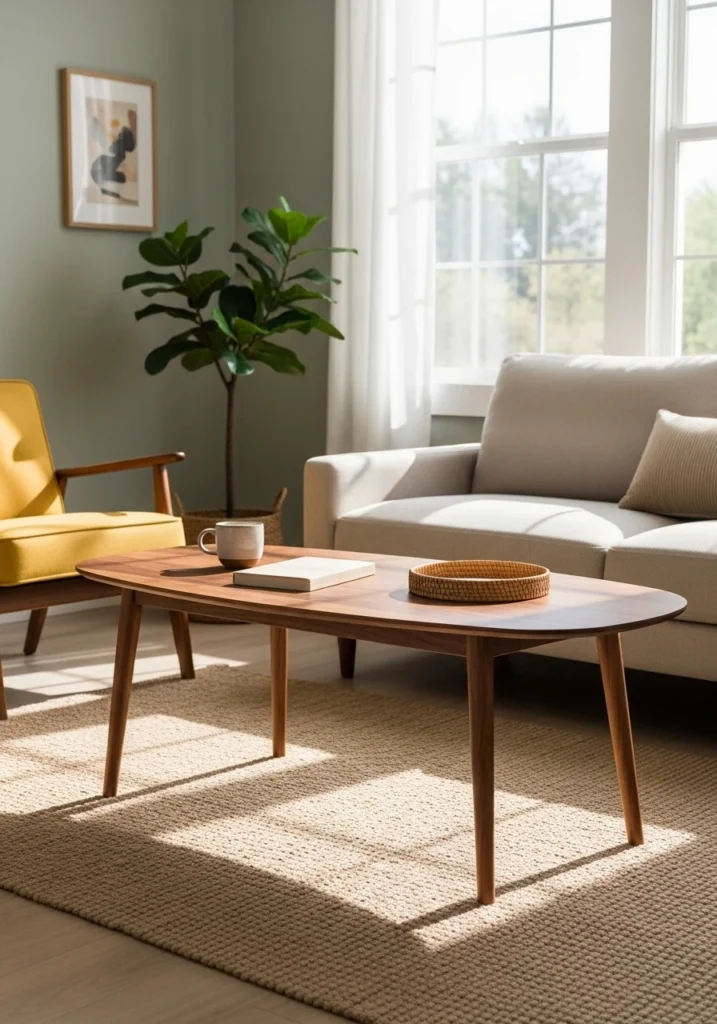
Furniture trends come and go. One year everything looks industrial, the next year everyone wants curved furniture. Yet mid-century modern design continues to stick around.
Why? Because it strikes a rare balance between beauty and functionality.
Most mid-century coffee tables feature:
- Clean lines
- Organic shapes
- Tapered legs
- Natural wood finishes
- Minimal ornamentation
- Practical storage options
These elements create a look that feels sophisticated without appearing overly formal.
I particularly love how these tables work in almost any setting. Whether your living room leans modern, traditional, farmhouse, or eclectic, a well-chosen mid-century table usually fits right in.
Browse Mid-Century Coffee Tables On Amazon
Key Features That Make Mid-Century Coffee Tables Stand Out
Simple Yet Striking Designs
Many furniture pieces try too hard to grab attention. Mid-century coffee tables take the opposite approach.
Their beauty comes from simplicity.
Designers focus on proportion, craftsmanship, and quality materials instead of excessive decoration. As a result, these tables often become focal points without demanding all the attention.
Ever noticed how some furniture looks expensive even when it isn’t? Mid-century designs often have that effect.
Warm Wood Finishes
Wood remains one of the defining characteristics of mid-century furniture.
Popular finishes include:
- Walnut
- Oak
- Teak
- Acacia
- Rosewood-inspired finishes
These rich wood tones add warmth to living spaces and create a welcoming atmosphere.
Personally, I think walnut coffee tables deserve special praise. They add instant sophistication without making a room feel dark or heavy.
Tapered Legs
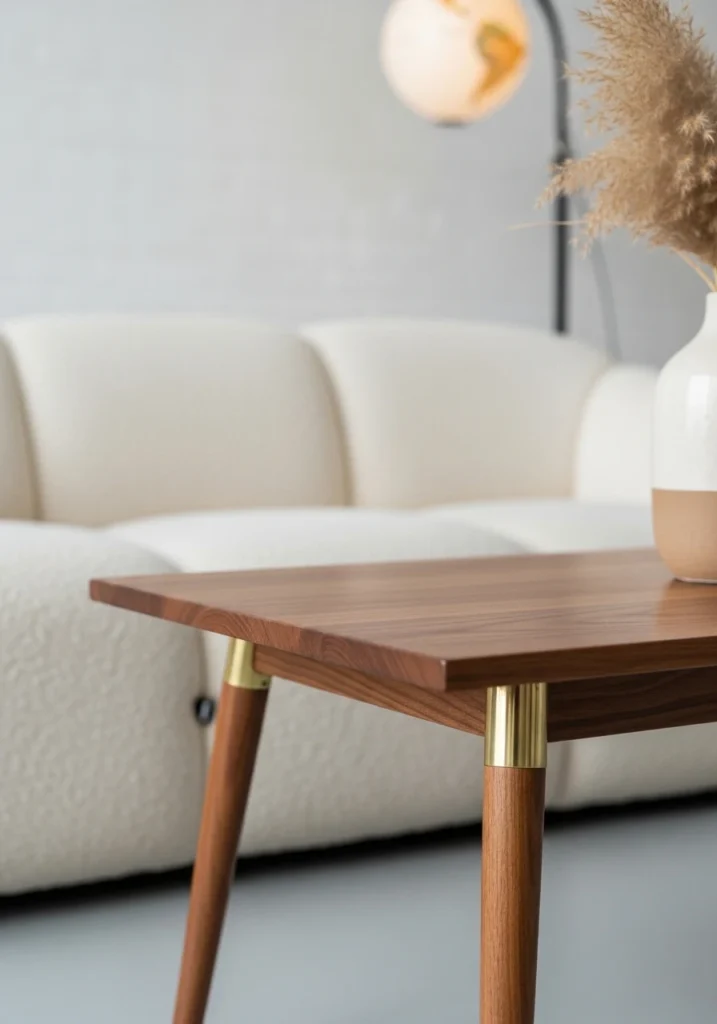
Those iconic tapered legs might seem like a small detail, but they make a huge difference.
They create a lighter visual footprint and help rooms feel more open. Large bulky furniture can overwhelm a space. Mid-century pieces avoid that problem beautifully.
Plus, tapered legs somehow make furniture look smarter. I cannot explain the science behind it, but they do.
How Mid-Century Coffee Tables Transform a Living Room
They Create Visual Balance
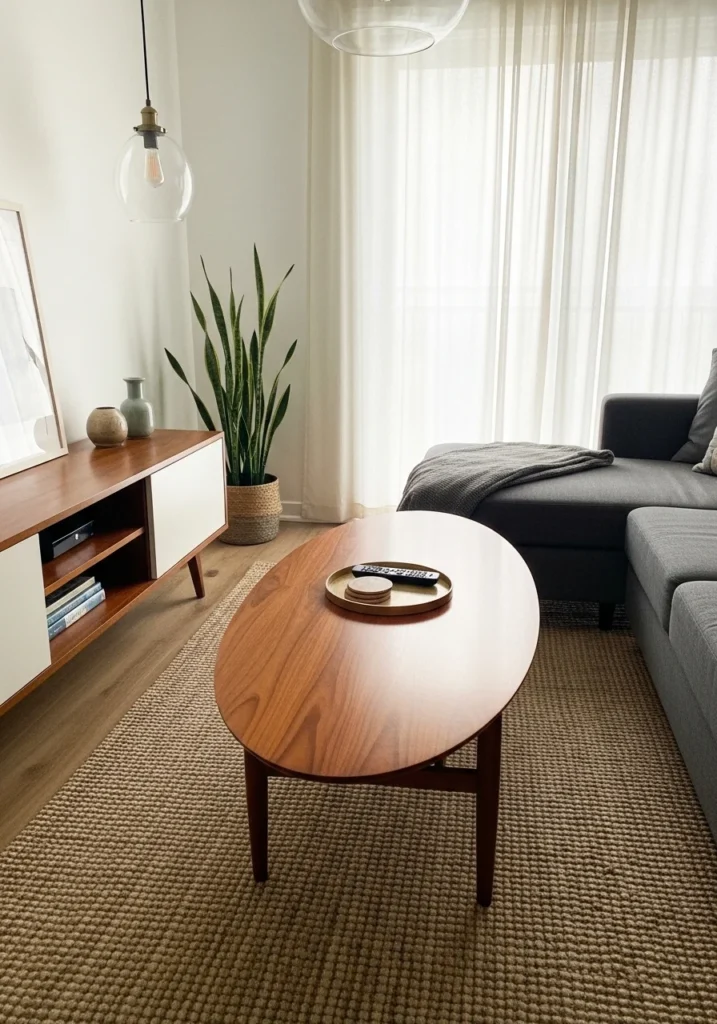
A coffee table often sits at the center of a living room.
When you choose a thoughtfully designed mid-century table, it helps anchor the entire space. The clean lines create structure while the warm materials add comfort.
This balance makes the room feel intentional rather than randomly assembled.
They Make Small Spaces Feel Bigger
Many homeowners struggle with limited space.
Mid-century coffee tables often feature elevated designs with visible floor space underneath. This simple design trick helps rooms feel larger and less crowded.
If you’ve ever lived in a small apartment, you know every visual inch matters.
They Add Character Without Clutter
Some decorative styles rely on excessive details and embellishments.
Mid-century furniture takes a different route.
A single well-designed coffee table can add personality without contributing to visual clutter. That makes it ideal for anyone who wants style without chaos.
Choosing the Right Mid-Century Coffee Table
Consider Your Room Size
Size should always come first.
A beautiful table that overwhelms your room quickly becomes a problem.
As a general guideline:
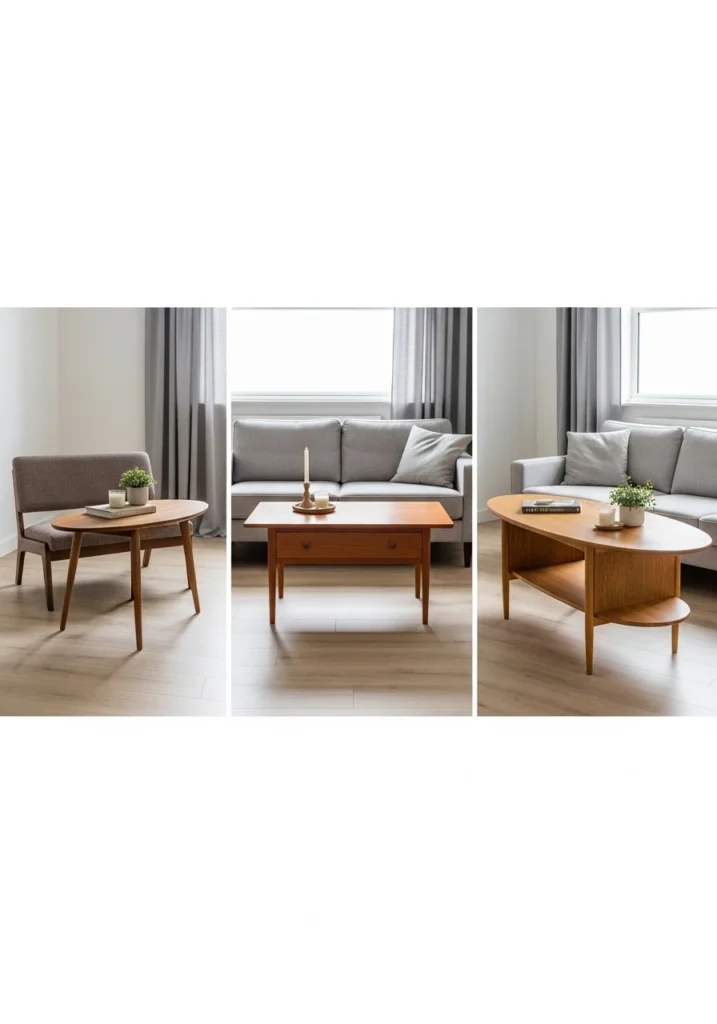
- Small living rooms benefit from compact or oval tables
- Medium spaces work well with rectangular designs
- Larger rooms can accommodate substantial statement pieces
Always leave enough space for comfortable movement around the table.
Match the Shape to Your Layout
Different shapes serve different purposes.
Rectangular Tables
Rectangular coffee tables work especially well with standard sofas.
Benefits include:
- Plenty of surface space
- Easy placement
- Strong visual structure
Round Tables
Round tables soften a room’s appearance and improve traffic flow.
They work particularly well when:
- Space feels tight
- Children frequently use the room
- You want a softer overall aesthetic
Oval Tables
Oval tables combine the advantages of both rectangular and round designs.
They provide ample surface area while maintaining smooth, flowing lines.
Think About Storage Needs
Let’s be honest. Living rooms accumulate stuff.
Remote controls, magazines, chargers, coasters, and mystery items that seem to appear from nowhere all need a home.
Many mid-century coffee tables include:
- Drawers
- Hidden compartments
- Open shelving
- Sliding storage sections
These features help maintain a clean and organized living room.
See Popular Mid-Century Coffee Table Designs
Best Materials for Mid-Century Coffee Tables
Solid Wood
Solid wood remains one of the most desirable choices.
Advantages include:
- Long-lasting durability
- Natural beauty
- Timeless appeal
- Excellent resale value
A quality solid wood table can easily last for decades with proper care.
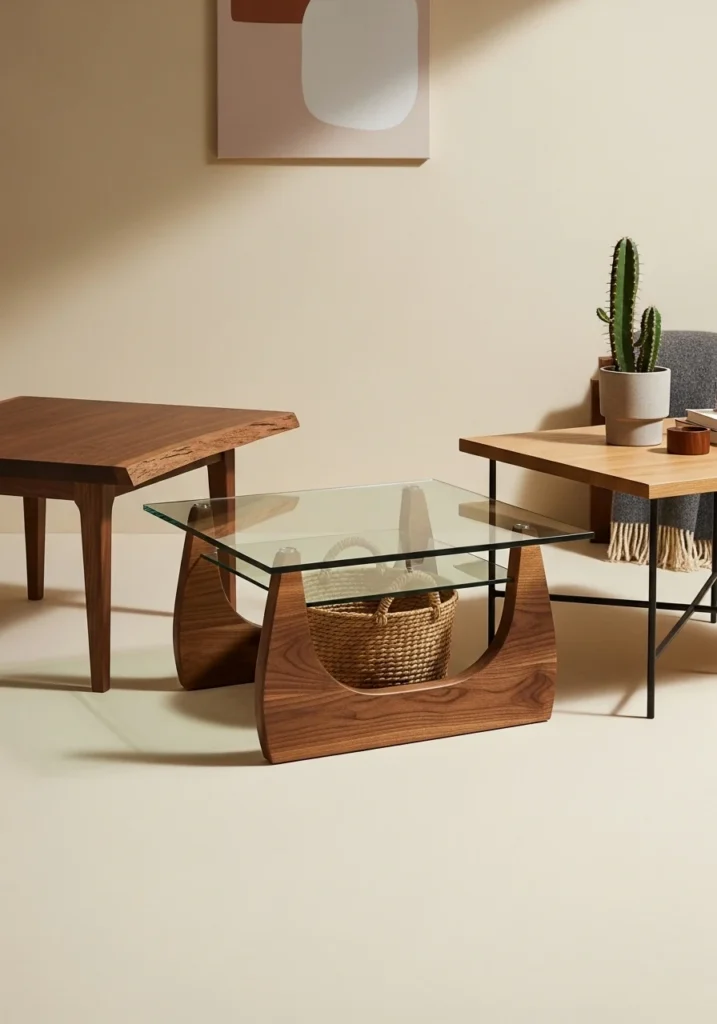
Wood and Glass Combinations
Glass tops add a lighter, more contemporary feel.
These combinations work especially well in smaller rooms because they create an open appearance.
The wood frame provides warmth while the glass keeps the design visually light.
Wood and Metal Designs
Many modern interpretations of mid-century furniture incorporate metal accents.
These tables offer:
- Added durability
- Contemporary appeal
- Strong visual contrast
I often recommend wood-and-metal designs for homeowners who want a blend of vintage inspiration and modern practicality.
Compare Mid-Century Coffee Tables And Finishes
Styling Your Mid-Century Coffee Table
Keep Decorations Purposeful
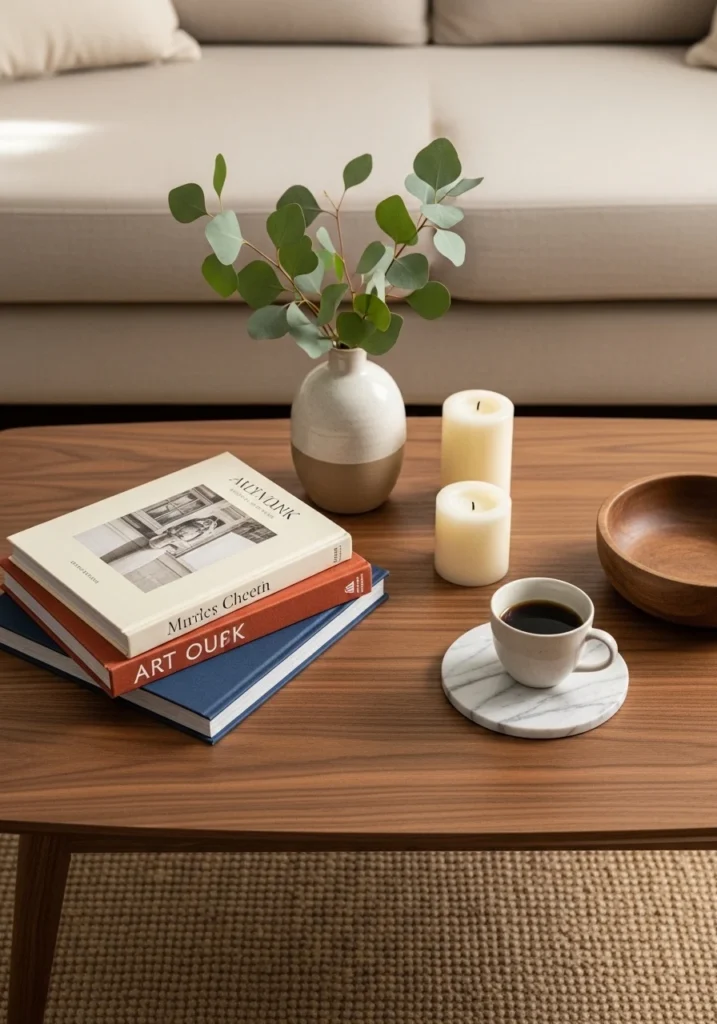
The best coffee table styling rarely involves filling every inch of space.
Instead, focus on a few carefully selected pieces.
Consider including:
- A stack of books
- A decorative tray
- A small plant
- A candle
- A ceramic vase
Less often creates more impact.
Use Different Heights
Visual variety keeps arrangements interesting.
Try combining objects of varying heights to create balance and dimension.
For example:
- A tall vase
- A medium-sized candle
- A low decorative bowl
This simple approach makes displays feel professionally styled.
Add Natural Elements
Mid-century design celebrates organic forms and natural materials.
Plants, flowers, wood accents, and stone accessories complement the style beautifully.
Even a small plant can make a coffee table feel more inviting.
Mid-Century Coffee Tables for Different Design Styles
Modern Living Rooms
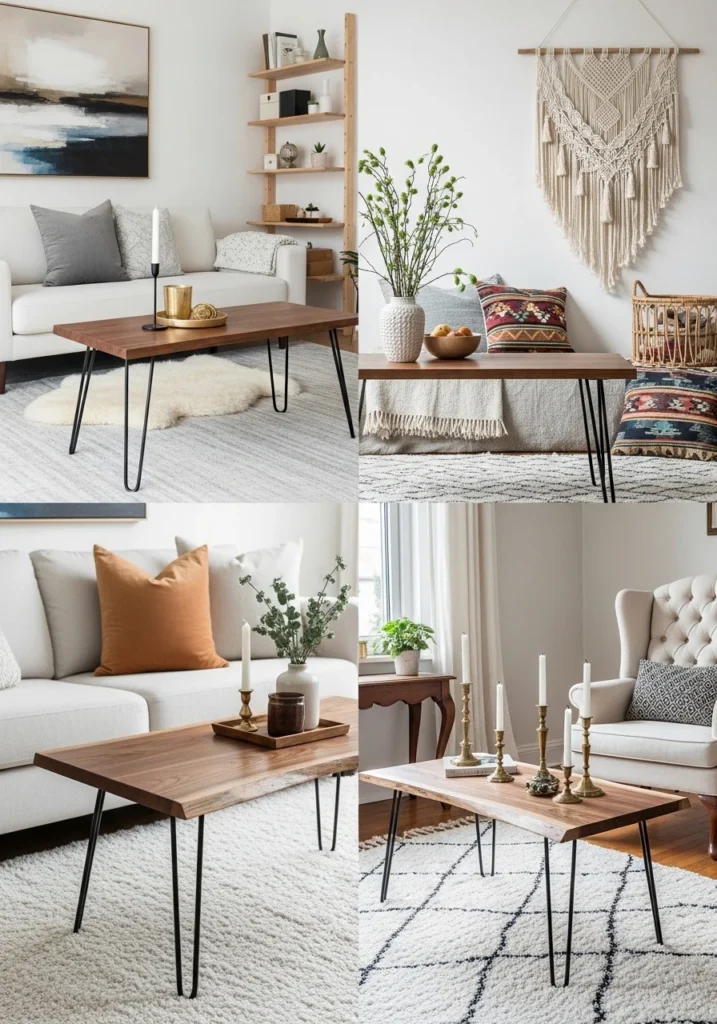
Mid-century tables pair naturally with modern interiors.
Their clean lines complement contemporary furniture while adding warmth that modern spaces sometimes lack.
Nobody wants a living room that feels like a corporate waiting area.
Scandinavian Spaces
Scandinavian and mid-century styles share many characteristics.
Both emphasize:
- Simplicity
- Functionality
- Natural materials
- Clean aesthetics
This combination creates a calm, welcoming environment.
Bohemian Interiors
A mid-century coffee table can also serve as a grounding element in a colorful bohemian room.
The structured design helps balance layered textures, patterns, and decorative accessories.
The result feels curated rather than chaotic.
Traditional Homes
Many people assume mid-century furniture only works in contemporary settings.
That assumption misses the mark.
The warmth of natural wood allows these tables to blend surprisingly well with traditional furnishings and classic decor.
Explore Mid-Century Coffee Tables For Every Living Room
Common Mistakes to Avoid
Choosing Style Over Function
A beautiful table should still serve your daily needs.
Before buying, ask yourself:
- Do I need storage?
- How much surface space do I use?
- Will people frequently walk around it?
Practicality matters.
Ignoring Scale
Oversized furniture can overwhelm a room.
Undersized furniture can look awkward.
Always measure your space before making a purchase.
Overdecorating the Surface
Coffee tables should remain useful.
A dozen decorative objects may look impressive in a catalog photo, but real life requires somewhere to place a coffee mug.
Balance style with functionality.
Why Mid-Century Coffee Tables Continue to Impress
Few furniture pieces offer the same combination of versatility, elegance, and practicality.
A well-designed mid-century coffee table can elevate a living room without demanding a complete redesign.
It complements countless decorating styles, provides everyday functionality, and maintains its appeal year after year.
That lasting appeal explains why homeowners, designers, and furniture enthusiasts continue to gravitate toward this iconic style.
Trends will keep changing, but a thoughtfully chosen mid-century coffee table rarely feels outdated.
If you want a simple upgrade that delivers a big visual impact, start with the coffee table. Your living room might thank you.
Your guests will probably compliment it. And your remote control may finally have a proper place to live.
What Makes A Mid-Century Coffee Table Different From Other Styles?
Mid-century coffee tables are notable for their clean lines, tapered legs, and functional design. Designers prioritize simplicity, helping these tables fit well in many interior styles.
Homeowners love their timeless look that never feels outdated. With a focus on natural wood finishes and practical design, these tables are a top choice for modern and traditional living rooms.
Are Mid-Century Coffee Tables Good For Small Living Rooms?
Yes, mid-century coffee tables are great for smaller spaces. Their raised designs and slim profiles make rooms feel more open and less crowded.
Many models have compact footprints but still offer enough surface area for daily use. Choosing a round or oval shape can also enhance movement and flow in a small living room.
Which Wood Finish Is Best For A Mid-Century Coffee Table?
Walnut is a top choice for its rich color, warmth, and elegance. Oak and teak are great options too, offering a lighter look.
The best finish depends on your furniture and color scheme. Dark woods add contrast and sophistication, while light woods create a bright, relaxed feel.
How Should I Decorate A Mid-Century Coffee Table?
Keep decorations simple and intentional. Use books, a decorative tray, a small plant, and a candle for a balanced look.
Don’t overcrowd the surface with too many items. Mid-century design loves clean, uncluttered spaces. A few well-chosen pieces often create the best visual impact.
Do Mid-Century Coffee Tables Work With Modern Decor?
Absolutely. Mid-century coffee tables fit well in modern spaces. Both styles value clean lines and functional design. The wood elements add warmth that contemporary spaces often need.
These tables can connect different decorating styles. Whether your home is modern, Scandinavian, traditional, or eclectic, a good mid-century coffee table can unite the room nicely.