
I love decorations that have real meaning. Not the random glittery items you forget each season, but pieces that tell a story.
Traditional flags and banners for festive home decor do just that. They bring life to a space in a way balloons never can.
The first time I hung a traditional banner at home, guests noticed right away. One asked where I got it, while another inquired about its meaning.
Just like that, the decor sparked conversation. Isn’t that the whole point of celebrating?
Why Traditional Flags and Banners Still Matter
Decor trends change fast. One year it’s minimal neutrals, the next year it’s bold maximalism. Traditional flags and banners never really leave, and there’s a reason for that.
They connect celebrations to culture, history, and shared memory. When you hang one, you are not just decorating. You are continuing a tradition.
Ever noticed how a single banner can instantly change the mood of a room? That’s not an accident.
They Carry Meaning, Not Just Color
Traditional flags and banners often symbolize values, seasons, or communal joy. They feel intentional, not random.
I always prefer decor that means something. A banner that represents a festival, harvest, or national pride adds depth to the celebration.
Meaningful decor always feels warmer than trendy decor.
They Work Indoors and Outdoors
One thing I love about traditional banners is flexibility. You can hang them almost anywhere without overthinking it.
Common spots include:
- Entryways to welcome guests
- Living room walls as focal points
- Balconies or verandas for street-facing charm
- Dining areas to frame the celebration table
Have you ever noticed how outdoor banners make a home look festive before you even step inside?
Popular Types of Traditional Flags and Banners
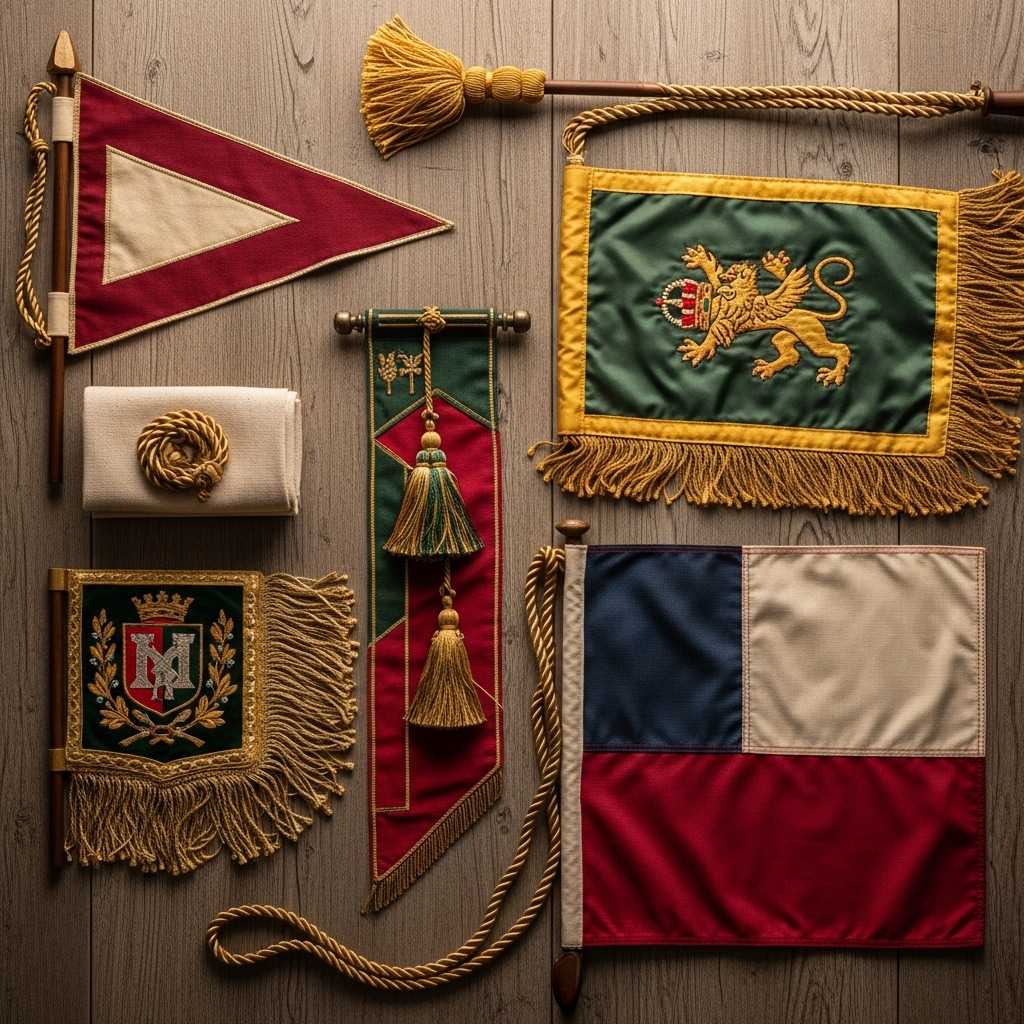
Not all banners serve the same purpose. Some shout celebration. Others whisper elegance. Choosing the right one matters.
Fabric Flags for Cultural Celebrations
Fabric flags remain my top pick for indoor decor. They drape well, age beautifully, and feel authentic.
Cotton, linen, and silk fabrics dominate traditional designs. They absorb color well and create a soft visual flow.
I once swapped a plastic banner for a hand-stitched fabric one, and the room instantly felt calmer and richer. Funny how small changes do that.
Paper and Scroll Banners for Seasonal Festivities
Paper banners shine during short-term celebrations. They feel light, playful, and easy to replace.
They work best for:
- Seasonal festivals
- Religious observances
- Community gatherings
- Temporary decor themes
Paper banners may not last forever, but they make a strong statement while they are up.
Hand-Painted and Embroidered Banners
If you want character, this is where it lives. Handcrafted banners carry personality, even when imperfections show.
I always say imperfections prove a human touched it. That matters.
These banners often feature:
- Symbols with cultural meaning
- Traditional calligraphy
- Floral or geometric motifs
- Heritage color palettes
Do you really want something mass-produced when a handcrafted piece tells a better story?
Discover Handcrafted Festival Banners
Choosing the Right Colors and Symbols
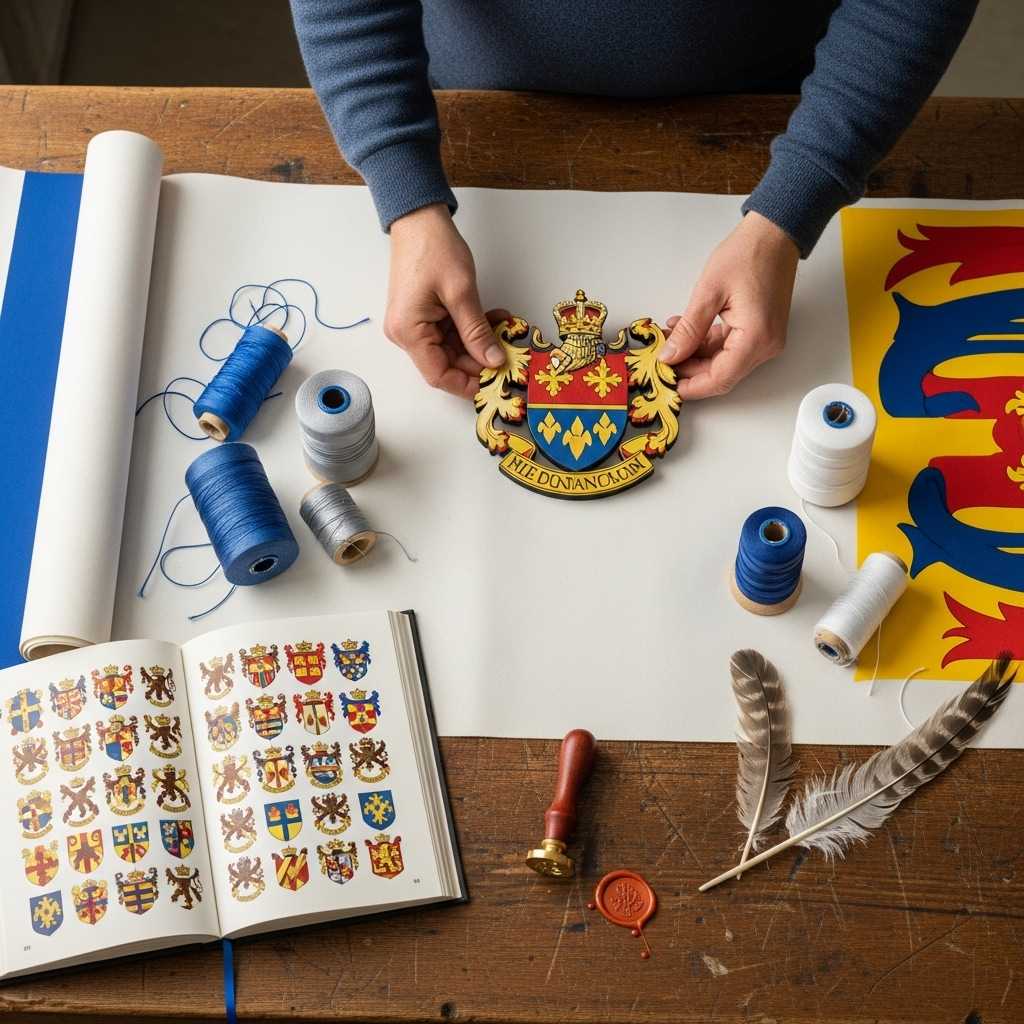
Color choice can make or break festive decor. Traditional flags rely heavily on symbolism, so random choices rarely work.
Understanding Color Meanings
Different cultures assign meaning to colors, and ignoring that feels careless.
Common traditional color associations include:
- Red for celebration, energy, and prosperity
- Green for growth, harvest, and renewal
- White for peace and purity
- Gold for abundance and honor
I once used the wrong color combo for a festival banner, and someone politely corrected me. Lesson learned fast.
Symbols That Actually Belong
Symbols should match the celebration, not just look pretty.
Traditional banners often feature:
- Agricultural symbols for harvest festivals
- Spiritual motifs for religious events
- Geometric patterns for unity and balance
- Historical emblems tied to community identity
When symbols align with purpose, the decor feels grounded instead of decorative fluff.
Find Traditional Banners By Color
Styling Traditional Banners Without Overdoing It
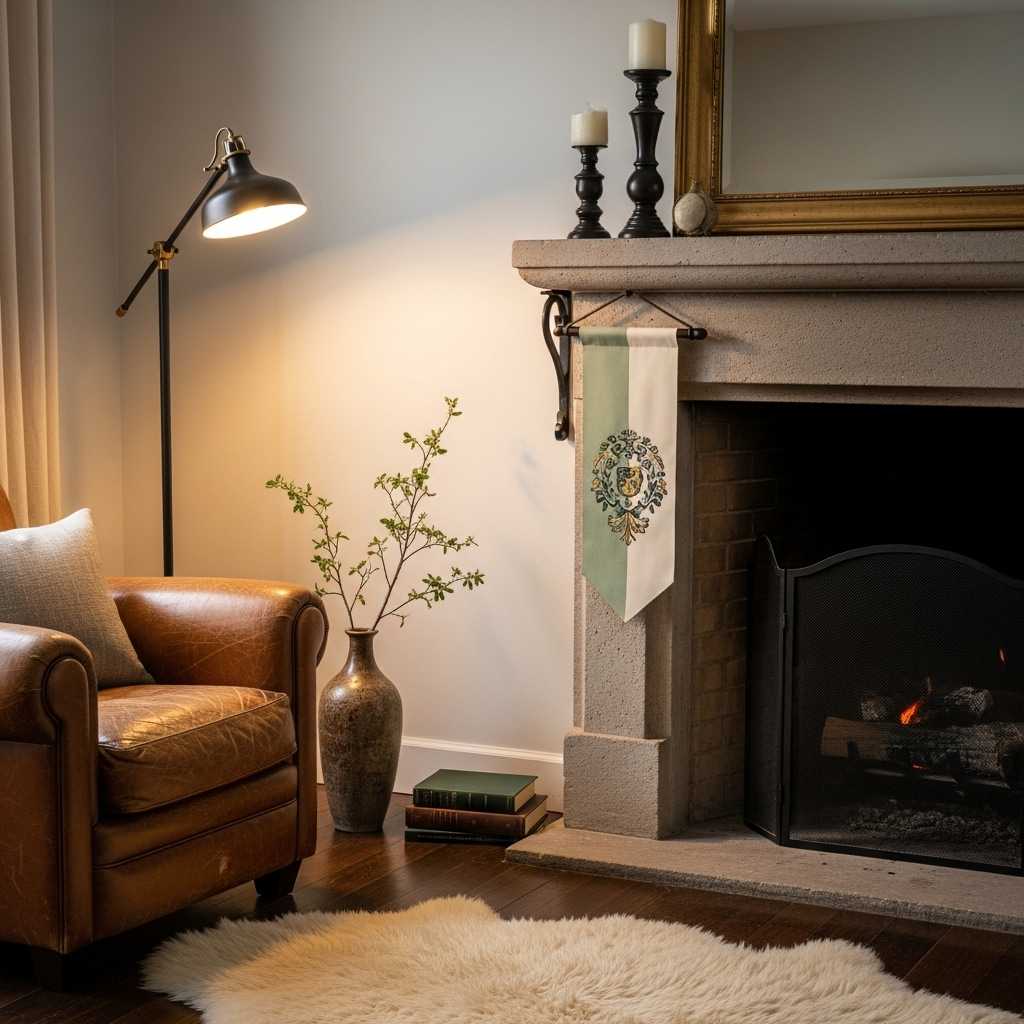
Yes, it is possible to overdo festive decor. I have done it. Once.
The key lies in balance.
Let One Banner Lead the Scene
Pick one primary banner and let it act as the anchor. Everything else should support it, not compete with it.
I usually place the main banner at eye level, then tone down surrounding decor.
One strong focal point beats five noisy ones.
Pair With Natural Textures
Traditional flags look best alongside natural elements. They complement each other effortlessly.
Try pairing banners with:
- Wooden furniture
- Clay pots or vases
- Woven rugs or baskets
- Fresh or dried greenery
Ever noticed how natural textures calm bold colors? That balance works every time.
Keep Lighting Soft and Intentional
Lighting can elevate or ruin festive decor. Bright white lighting tends to wash out traditional designs.
I prefer warm lighting that enhances fabric texture and color depth.
Soft bulbs, lanterns, or candles bring out the soul of traditional banners.
Indoor vs Outdoor Use
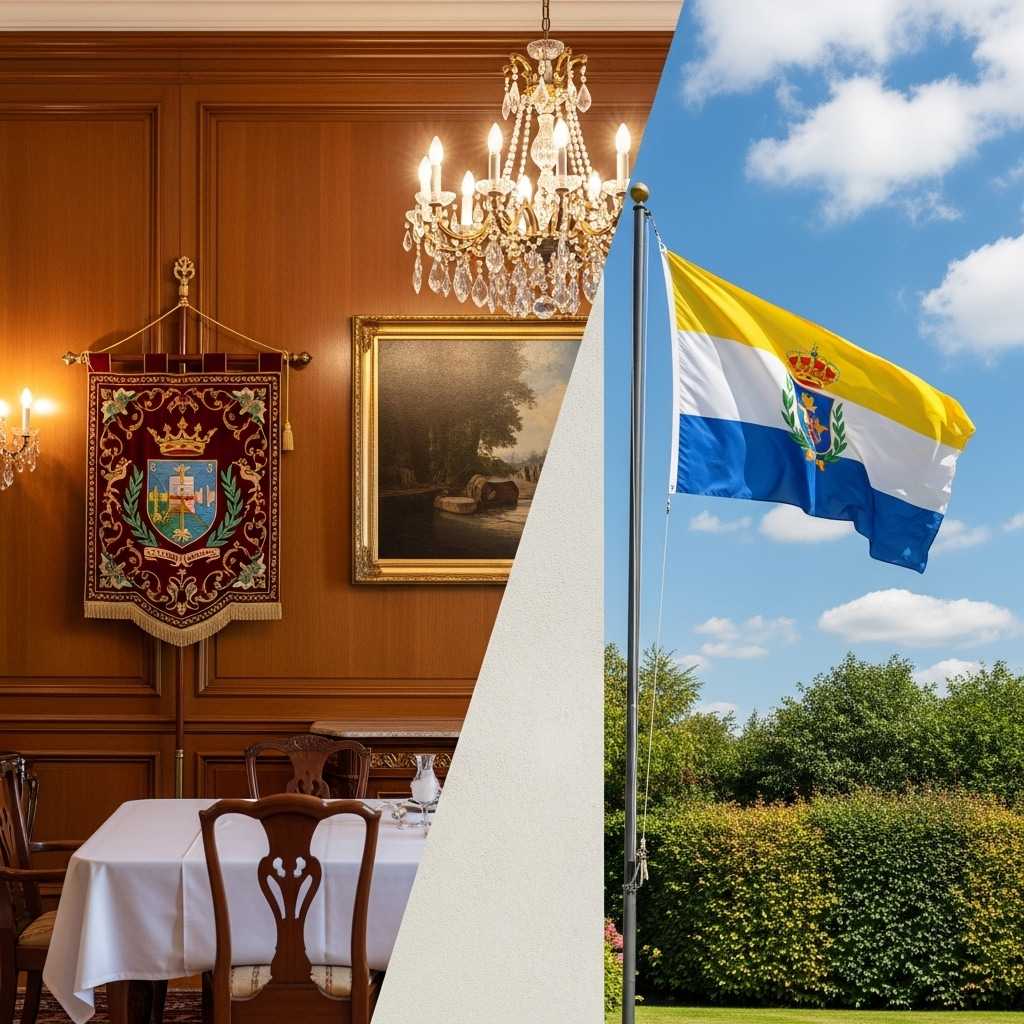
Where you hang a banner changes how it performs and how long it lasts.
Indoor Placement Tips
Indoor spaces protect banners from weather but still need thought.
Best practices include:
- Avoid placing near heat sources
- Keep fabric away from moisture
- Use removable hooks to protect walls
- Let banners hang freely without tight stretching
A relaxed drape always looks better than a forced one.
Outdoor Placement Tips
Outdoor banners demand durability. Wind and sun show no mercy.
I always check:
- Fabric thickness
- Reinforced edges
- Secure hanging points
- Fade-resistant dyes
Outdoor banners should feel sturdy, not flimsy.
Mixing Traditional Banners With Modern Decor
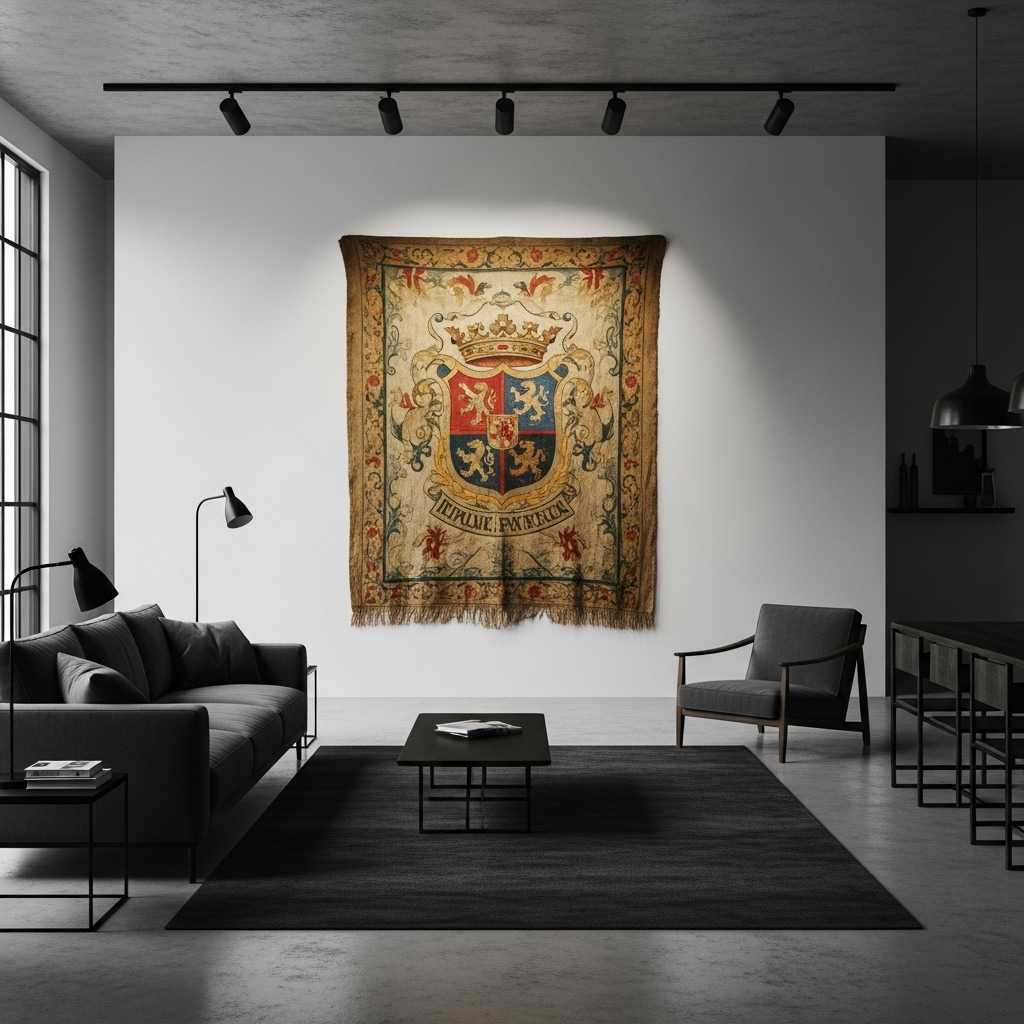
This part surprises people. Traditional and modern decor can coexist beautifully.
I live in a fairly modern space, yet traditional banners still feel right.
Use Contrast to Your Advantage
Modern decor often relies on clean lines and neutral tones. Traditional banners bring warmth and complexity.
That contrast creates visual interest without chaos.
Ever notice how one colorful banner can soften an otherwise stark room?
Limit the Color Palette
If your home leans modern, stick to one or two banner colors. Let the design shine without overwhelming the space.
I often choose banners that echo one existing accent color in the room.
That trick never fails.
Caring for Traditional Flags and Banners
Good decor deserves care. Neglect shortens its life.
Cleaning and Storage
Always follow fabric-specific care instructions. When in doubt, gentle hand cleaning wins.
Storage tips I swear by:
- Fold fabric loosely
- Store in breathable bags
- Keep away from direct sunlight
- Avoid plastic wrapping for long-term storage
Proper care keeps banners looking fresh year after year.
When to Retire a Banner
Not every piece lasts forever, and that’s okay.
Signs it’s time include:
- Severe fading
- Fabric tearing beyond repair
- Symbols losing clarity
- Structural damage at hanging points
Some wear tells a story. Too much wear tells you to let go.
Why I Keep Coming Back to Traditional Banners
Trends come and go, but traditional flags and banners for festive home decor always feel right.
They ground celebrations in meaning, spark conversation, and bring warmth that no generic decoration can replace.
Every time I hang one, I feel connected to something bigger than the room itself. Isn’t that what festive decor should do?
If you want decor that feels intentional, personal, and timeless, start with a traditional banner. Hang it proudly, let it tell its story, and enjoy how it transforms your space without trying too hard.
What Are Traditional Flags and Banners Used for in Home Decor?
Traditional flags and banners bring cultural meaning and warmth to home decor. People use them to celebrate heritage, seasons, or important events.
Unlike generic decorations, they tell a story and give purpose to the space.
Guests often notice these banners first because they feel intentional. They spark curiosity and conversation, making celebrations more personal and memorable.
Where Should You Hang Traditional Banners in Your Home?
You can hang traditional banners in entryways, living rooms, dining areas, or balconies. Entry points are great because they greet guests with festive energy.
Indoor walls let fabric banners drape naturally, creating a relaxed vibe.
I avoid cramped spaces. Giving a banner room to breathe helps its colors and symbols pop without clashing with other decor.
What Materials Work Best for Festive Flags and Banners?
Fabric materials like cotton, linen, and silk are ideal for long-term festive decor. They hold color well, drape nicely, and feel authentic.
Paper banners are better for short-term events when convenience is key.
In my experience, fabric banners are worth the effort. They last longer, look better in photos, and store easily for future use.
Can Traditional Flags Match Modern Home Decor?
Yes, traditional flags can look great in modern interiors if balanced well. Clean furniture lines and neutral walls help the banners stand out. Limiting your color palette keeps everything cohesive.
I use contrast on purpose. A single traditional banner adds warmth to modern spaces without disrupting the design.
How Do You Care for Traditional Flags and Banners?
Clean traditional banners gently by hand. This helps protect the fabric and color. Always store them in breathable fabric bags. Keep them out of direct sunlight to prevent fading.
I see banners as keepsakes, not just decor. With proper care, they can last for years. They feel even more special each time you display them.