
There is something quietly powerful about a well-chosen table lamp sitting in the corner of a traditionally decorated room. It does not shout for attention, but somehow, everyone notices it.
I remember the first time I swapped out a generic lamp in my living room for a proper classic piece, and the whole space suddenly felt like it had a soul.
Classic table lamps are not just light sources. They are design statements, conversation pieces, and in many cases, the finishing touch that ties a room together.
So if you have been decorating your home with traditional furniture and period-inspired accents but something still feels off, there is a good chance your lighting is the missing link.
Why Classic Table Lamps Matter in Traditional Decor
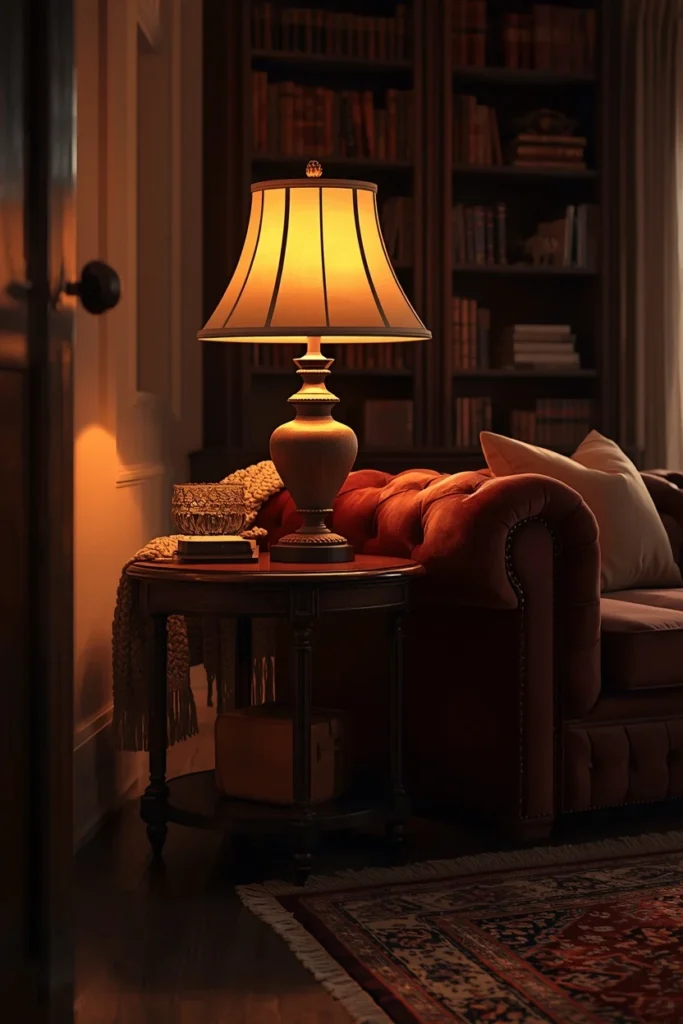
Walk into any beautifully decorated traditional home and you will almost certainly spot at least one standout table lamp. That is not a coincidence.
Traditional interior design relies heavily on layered lighting, warmth, and visual richness, and classic table lamps deliver all three in one package.
Good lighting does more than illuminate a room. It sets the mood, defines the atmosphere, and can even make a space feel larger or more intimate depending on how you use it.
A warm-toned lamp on an end table next to a tufted sofa? That is a masterclass in comfort.
The Role of Warmth and Ambience
Traditional decor tends to favor rich textures, dark wood furniture, and warm color palettes. A cool, stark white lamp would clash terribly with that kind of environment.
Classic table lamps, especially those with fabric shades and warm-toned bulbs, complement those design choices naturally.
The right lamp creates a pocket of warmth that draws people in. It softens the edges of a room and makes even the most formal sitting space feel livable and welcoming.
Key Styles of Classic Table Lamps You Should Know
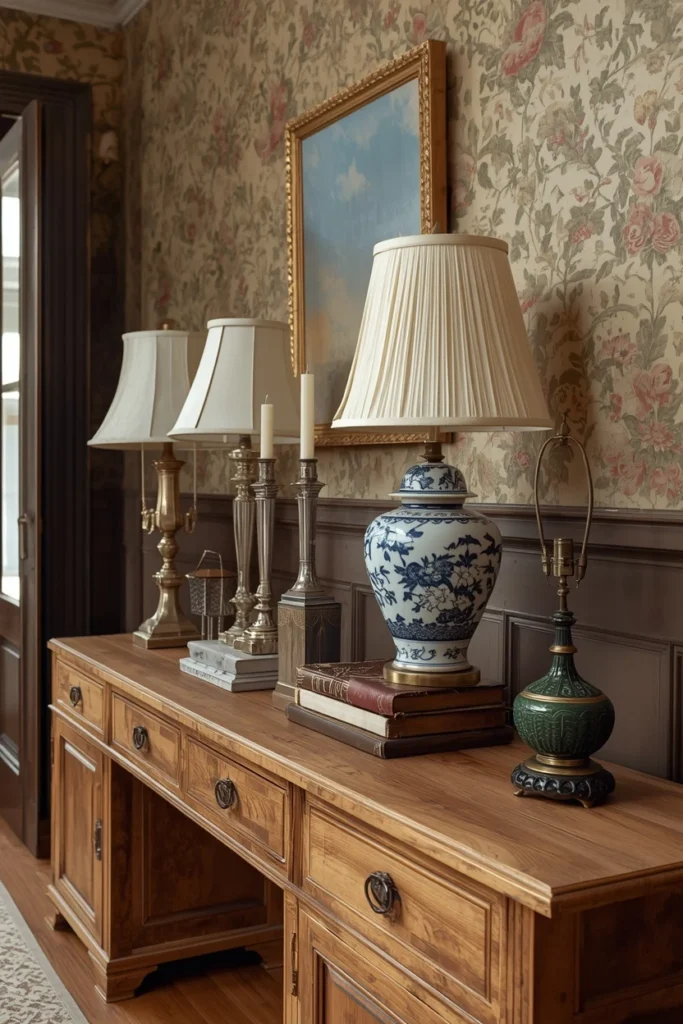
Not all classic lamps are created equal. The term “traditional” covers a wide range of design periods and aesthetics, so knowing the difference helps you make a smarter choice for your specific space.
Torchiere and Column-Style Lamps
These lamps feature tall, column-like bases that draw inspiration from ancient Greek and Roman architecture.
They often appear in brass, bronze, or antique gold finishes and pair beautifully with formal living rooms and studies.
They work particularly well on console tables, side tables beside armchairs, or as an anchor piece on a writing desk. The verticality of these lamps also draws the eye upward, making ceilings feel higher.
Candlestick Table Lamps
Candlestick lamps are slim, elegant, and endlessly versatile. They mimic the look of actual candlesticks, which gives them a historical charm that suits colonial, Victorian, and Federal-style interiors.
These lamps work best in pairs placed symmetrically on either side of a console table, mantelpiece, or bed. Symmetry is a cornerstone of traditional design, and candlestick lamps lean into that beautifully.
Ginger Jar Lamps
Originally inspired by Chinese porcelain, ginger jar lamps have become a staple in traditional American and English country homes.
They feature a round, urn-like body often decorated with blue-and-white patterns, floral motifs, or hand-painted scenes.
If your home leans toward a chinoiserie or English countryside aesthetic, a ginger jar lamp on a side table with a pleated silk shade is practically non-negotiable.
It reads as collected and curated rather than mass-produced, which is always a good thing.
Shop Classic Table Lamps on Amazon
Banker’s Lamp
Yes, the classic green-shaded banker’s lamp absolutely counts as a traditional table lamp.
It carries serious old-world authority and belongs in studies, home offices, and libraries with dark wood shelving and leather-bound books.
The emerald green glass shade paired with a brass or bronze base is iconic for a reason. It has remained in production for over a century because nothing else does the job quite like it.
How to Choose the Right Classic Table Lamp for Your Space
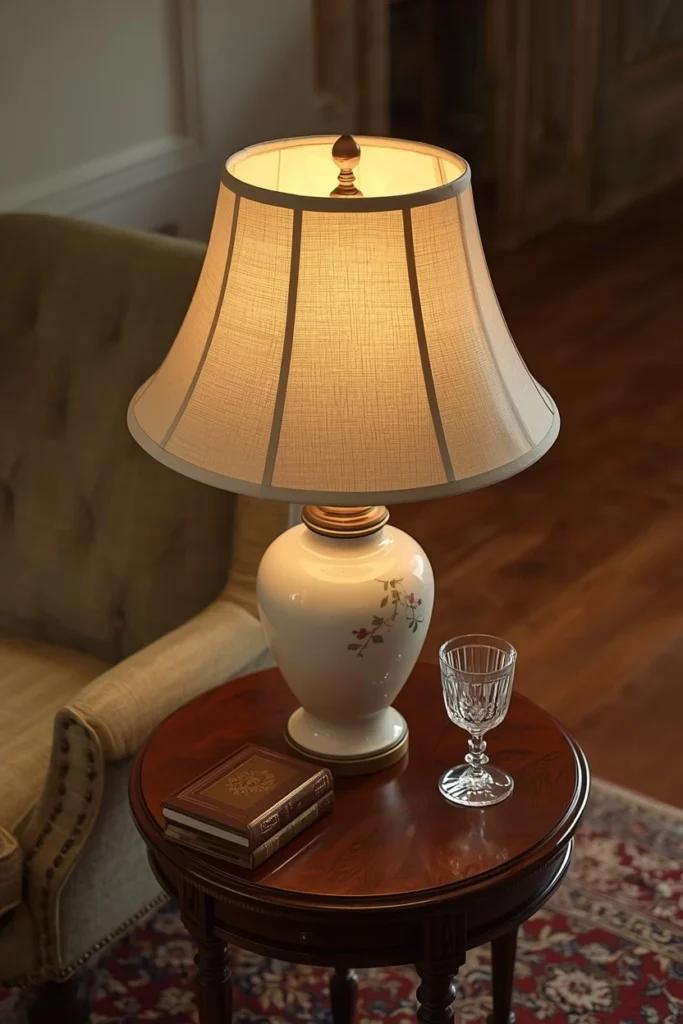
Here is where a lot of people get tripped up. They fall in love with a lamp online, order it, and then realize it looks completely wrong in their actual room. Sound familiar? Let us fix that.
Consider Proportion and Scale
Lamp scale is one of the most overlooked factors in home decor.
A tiny lamp on a large side table looks almost comically inadequate, while an oversized lamp on a delicate accent table can look like it is staging a hostile takeover.
A general rule: the lamp base should sit at roughly the same height as the piece it rests on. So if your end table stands 25 inches tall, aim for a lamp base around 24 to 26 inches in height.
The total height of the lamp, including shade, should ideally fall between 58 and 64 inches when placed on a table.
Match the Finish to Your Hardware
Traditional rooms often feature consistent metal finishes throughout, such as brass doorknobs, antique bronze curtain rods, and gilded picture frames. Your lamp should echo those finishes rather than fight them.
- Antique brass: Pairs well with warm wood tones, burgundy, and hunter green
- Oil-rubbed bronze: Works beautifully with darker interiors and mahogany furniture
- Polished nickel: Suits transitional spaces that bridge traditional and contemporary styles
- Ceramic and porcelain bases: Offer more flexibility and can work across multiple traditional styles
Browse Traditional Table Lamps by Finish on Amazon
Think About the Shade
The shade is half the lamp, yet people consistently treat it as an afterthought. The shape, material, and color of the shade dramatically affect both the look and the light output of the lamp.
For traditional decor, consider these shade options:
- Empire shades: Classic cone shape, works with almost every traditional lamp style
- Drum shades: More contemporary but still appropriate in transitional traditional spaces
- Pleated silk shades: Formal, elegant, and well-suited to Victorian or Federal-style rooms
- Linen shades: Relaxed and warm, perfect for country or cottage-style traditional decor
Opt for ivory, cream, or warm white shades in traditional settings. Pure white can feel harsh and out of place alongside antique finishes and rich wood tones.
Find the Right Lamp Shade for Your Space on Amazon
Placement Strategies That Actually Work
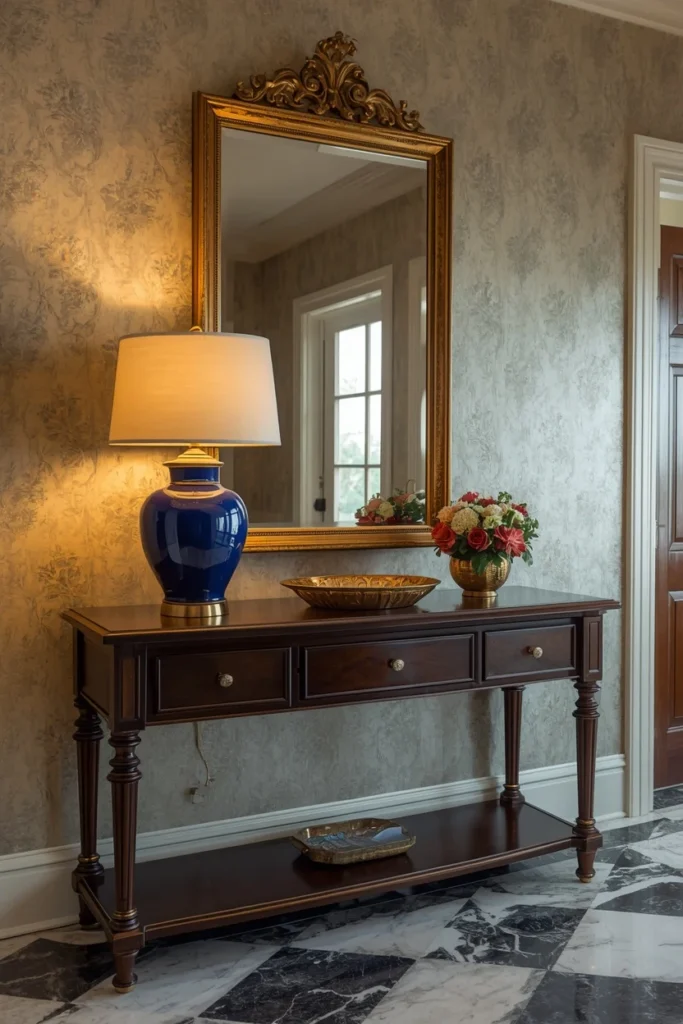
Even the most gorgeous classic table lamp will underperform if you place it in the wrong spot. Placement determines how effectively the lamp contributes to both the function and the feel of a room.
Flanking a Sofa or Bed
Placing matching lamps on either side of a sofa or bed is one of the most effective and timeless strategies in traditional design. Symmetry signals order, elegance, and intentionality.
It tells anyone who walks in that you thought carefully about your space.
Make sure both lamps sit at the same height and that the light they emit falls at eye level when you are seated. Nobody wants to squint up into a bare bulb while reading.
Anchoring a Console Table
A statement lamp on a console table in an entryway sets the tone for your entire home the moment guests walk in.
Pair it with a mirror above, a small floral arrangement, and a tray for keys, and you have created a genuinely welcoming entry vignette.
Choose a lamp with some visual weight here. A slim candlestick lamp might get lost in a large entryway, while a bold ginger jar or column lamp commands attention appropriately.
Lighting a Reading Nook or Study
If you have a dedicated reading chair or a home study, a classic table lamp on an adjacent side table is essential.
Position the lamp so the bottom of the shade sits roughly at shoulder height when you are seated. That placement directs light exactly where you need it without creating glare.
A banker’s lamp on the desk itself adds authenticity and warmth to any book-lined study. Pair it with a task lamp if you need stronger light for detailed work.
Materials and Quality: What Separates Good Lamps from Great Ones
At the risk of sounding like someone who takes lamps too seriously (guilty as charged), quality really does matter here.
A poorly made lamp with a lightweight plastic base and a flimsy shade will never look quite right, no matter how attractive the product photos are.
What to Look for in a Quality Classic Lamp
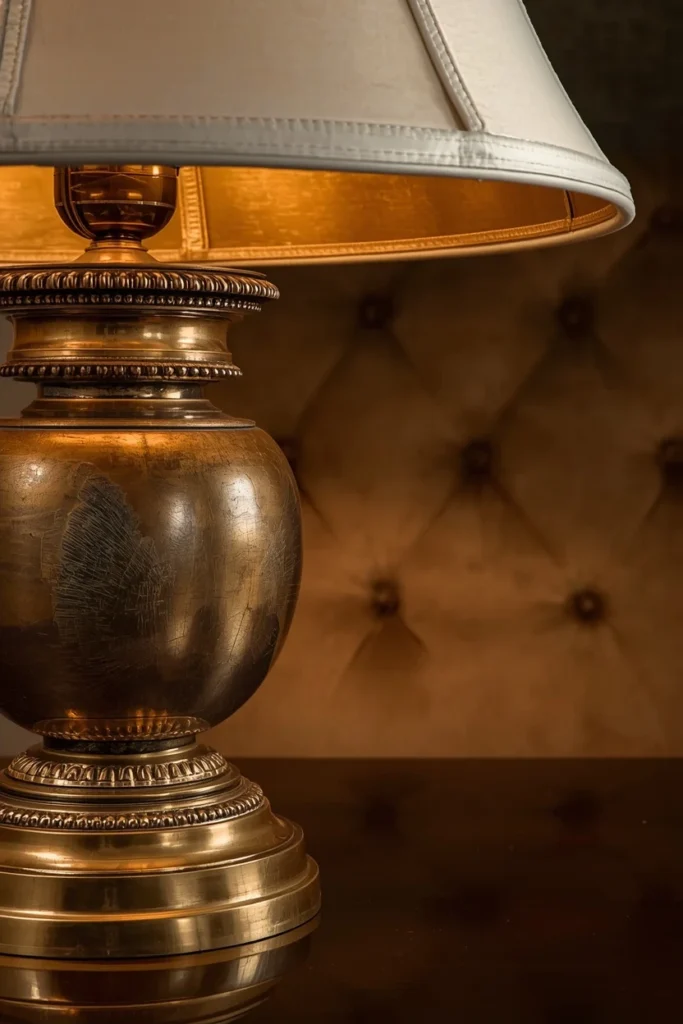
- Solid brass or cast resin bases: These feel substantial and maintain their finish far longer than plated alternatives
- Weighted bases: A lamp that tips over easily is both annoying and a genuine hazard
- Well-constructed shades: Look for shades with interior lining, which improves light diffusion and longevity
- UL-listed wiring: Always check that the electrical components meet safety certification standards
Investing in a quality lamp is not extravagant. A well-made classic table lamp can last decades, while a cheap alternative will fade, crack, and wobble its way to an early retirement within a few years.
Shop Quality Classic Table Lamps on Amazon
Final Thoughts
Classic table lamps are one of the most impactful and underestimated tools in traditional home decorating.
They bring warmth, character, and a sense of history to any space, and the right lamp can genuinely transform a room from pleasant to memorable.
The next time you find yourself staring at a room that looks almost right but not quite there, look at the lighting first.
Chances are, a thoughtfully chosen classic table lamp is exactly what the space has been waiting for.
Go find one that makes you smile every time you walk past it, because that is exactly the kind of detail that makes a house feel like home.
What Makes a Table Lamp “Classic” or Traditional in Style?
A classic table lamp typically features a timeless base design drawn from historical periods such as Victorian, Colonial, Federal, or Chinese-inspired aesthetics.
Common characteristics include ceramic, brass, or bronze bases, fabric shades in neutral tones, and decorative details like floral motifs, column silhouettes, or urn shapes.
The overall look prioritizes elegance, symmetry, and craftsmanship over trendy or minimalist styling.
What Size Table Lamp Works Best for a Traditional Living Room?
For a traditional living room, aim for a lamp with a total height, including the shade, of between 26 and 34 inches when placed on an end or side table.
The bottom of the shade should sit roughly at eye level when you are seated, which typically means the shade falls around 60 inches from the floor.
Proportion matters enormously in traditional decor, so always measure your table height before purchasing a lamp.
Which Table Lamp Style Suits a Formal Traditional Dining or Sitting Room?
Column-style or torchiere lamps in antique brass or oil-rubbed bronze finishes work exceptionally well in formal traditional settings.
Ginger jar lamps with pleated silk shades also carry the right level of elegance for a sitting or dining room.
The key is choosing a lamp with visual weight, a quality finish, and a shade that diffuses light warmly rather than casting a harsh or overly bright glow.
How Do I Match a Classic Table Lamp to My Existing Furniture and Hardware?
Start by identifying the dominant metal finish in your room, whether that is brass, bronze, nickel, or iron, and choose a lamp base that echoes that finish.
For wood-heavy traditional rooms with dark staining, oil-rubbed bronze and antique brass bases are natural fits.
If your furniture leans toward lighter wood tones or painted pieces, consider ceramic or porcelain bases in complementary colors, which offer more flexibility without clashing with existing hardware.
Can I Use Classic Table Lamps in a Room That Blends Traditional and Contemporary Styles?
Absolutely. Transitional spaces, which mix traditional and contemporary elements, actually benefit greatly from classic table lamps because they introduce warmth and character without looking overly period-specific.
The trick is to choose lamps with cleaner lines, such as a simple candlestick or a streamlined ginger jar, and pair them with a drum shade in linen or a muted neutral.
That combination reads as traditional in spirit but modern enough to sit comfortably alongside contemporary furniture.