
There is something about a bare wall that just silently judges you every time you walk past it. You know the feeling.
You have great furniture, decent lighting, and then that one sad, empty wall that makes the whole room feel unfinished.
Boho tapestry wall hangings are the fix you did not know you needed, and once you hang one up, you will genuinely wonder how you survived without it.
Boho tapestries are not just decorative fabric slapped on a wall. They carry texture, warmth, character, and a certain effortless coolness that most decor items spend their whole existence trying to achieve.
Whether you live in a studio apartment or a sprawling family home, there is a boho tapestry out there that fits your space and your vibe perfectly.
Why Boho Tapestries Work in Almost Every Space
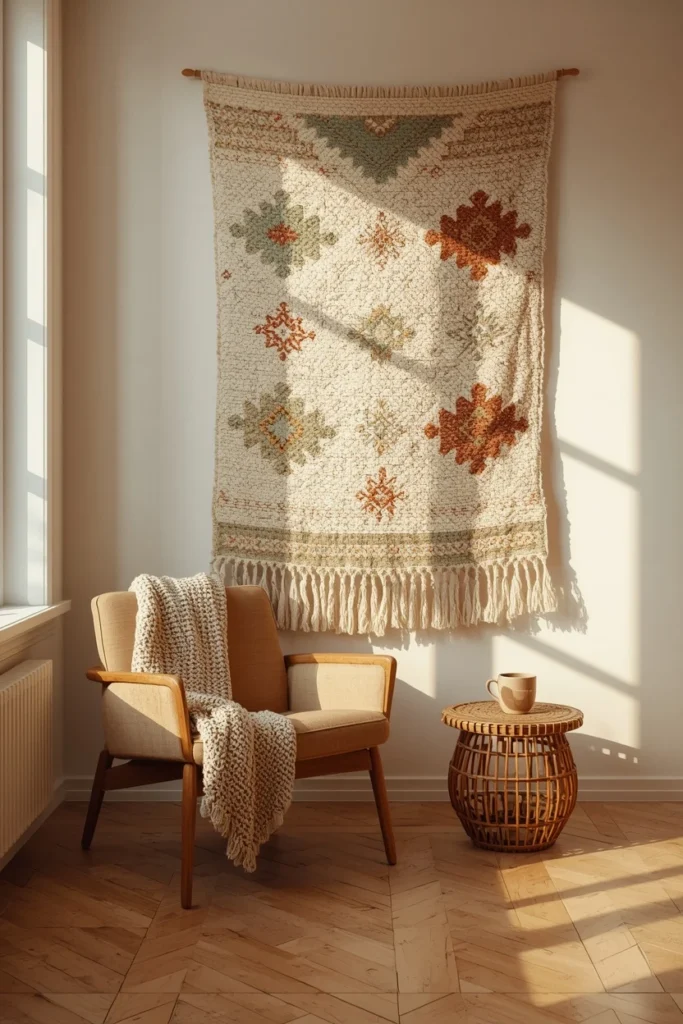
They Add Instant Warmth Without a Renovation
Paint takes days. Wallpaper takes patience (and tears, honestly). A boho tapestry takes about ten minutes and a single nail.
That is the beauty of it. You get an immediate transformation without the mess, the cost, or the landlord’s permission issues.
Boho tapestries work as natural insulators too, which means they do more than just look good.
Hanging one on a thin or drafty wall actually helps keep a room feeling cozy. That is a win on both the aesthetic and the practical front.
They Bring Texture Into a Flat Room
Most rooms struggle with a sameness that is hard to pinpoint. Everything looks fine, but nothing feels alive.
Tapestries fix this by introducing woven texture, layered patterns, and organic shapes that break the visual monotony. They give your eye somewhere interesting to land.
A room with a macrame or woven tapestry on the wall immediately feels more curated and intentional. You did not just throw furniture in a room. You made choices. And that difference shows.
The Most Popular Types of Boho Tapestry Wall Hangings
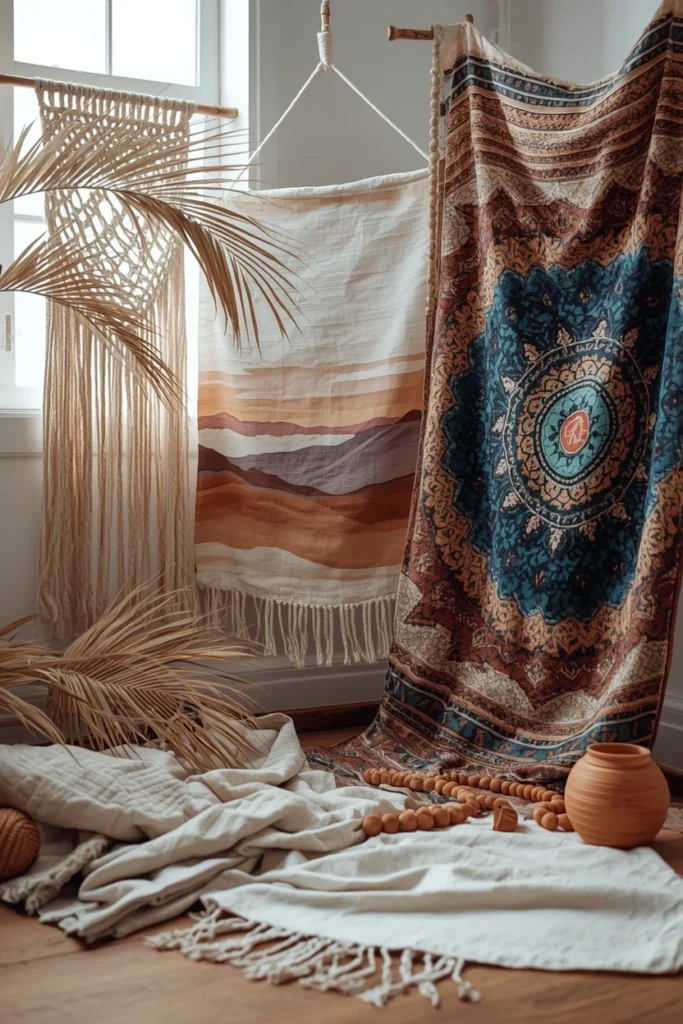
Macrame Tapestries
Macrame is the poster child of boho decor, and for good reason. These hand-knotted pieces bring an undeniable artisan quality to a space.
The knots, fringe, and loops create a three-dimensional look that no flat print can replicate.
Macrame tapestries work best in living rooms, entryways, and bedrooms where they can hang freely and catch the light.
They come in everything from minimalist geometric designs to full, elaborate showpieces that take up an entire wall.
If you want one statement piece that makes guests stop and ask where you got it, a macrame tapestry does that job.
Browse Macrame Tapestry Wall Hangings On Amazon
Woven Fabric Tapestries
Woven tapestries sit somewhere between textile art and wall decor, and that duality is exactly what makes them special.
They often feature earthy tones, abstract patterns, or nature-inspired motifs like mountains, moons, or botanical prints. The handwoven texture adds depth and richness that printed tapestries simply cannot match.
These work beautifully as bedroom focal points above a bed or as a backdrop for a reading nook.
They soften the look of a room without making it feel cluttered, which is a surprisingly difficult balance to strike.
Shop Woven Boho Tapestries On Amazon
Printed Boho Tapestries
Printed tapestries are the more accessible entry point into boho wall decor. They come in a massive range of designs, from mandala patterns to celestial themes to global folk art prints.
They are lightweight, easy to hang, and usually very affordable.
The key with printed tapestries is to choose one with rich, saturated color and a bold pattern. A wishy-washy print on thin fabric will look cheap.
But a high-quality printed tapestry with deep indigos, terracotta, and cream tones? That reads as intentional and styled.
Find Printed Boho Tapestries On Amazon
How to Choose the Right Boho Tapestry for Your Home
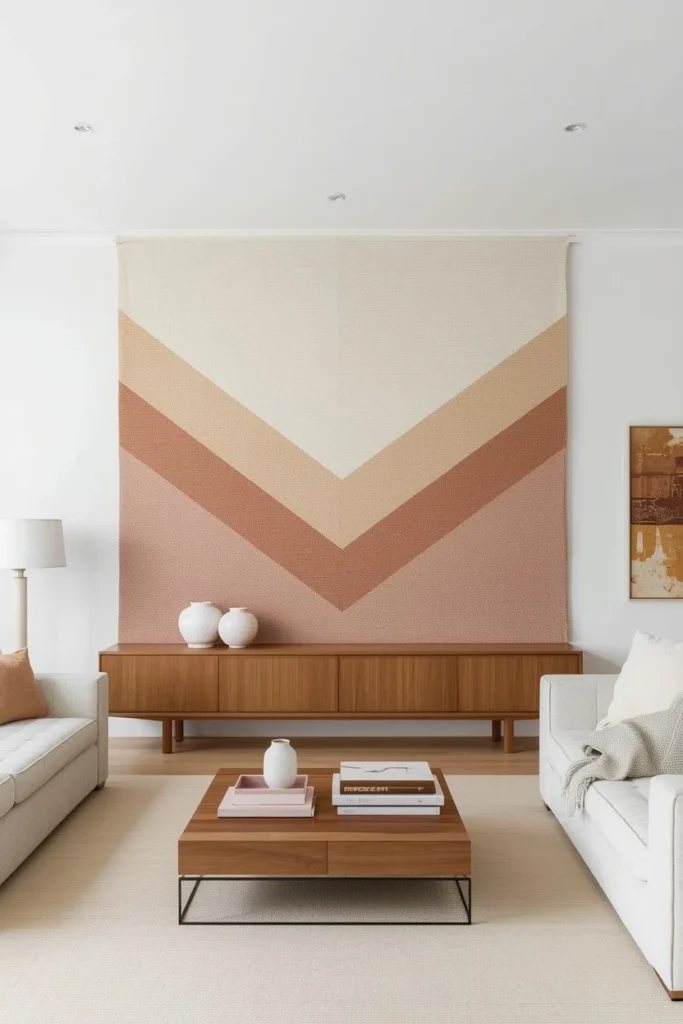
Consider the Scale of Your Wall
This is where most people go wrong. They buy a tapestry they love, hang it up, and then stare at it looking slightly underwhelmed because it is too small for the wall. Scale matters enormously in wall decor.
For a large wall, go big or layer multiple pieces. A single small tapestry on a vast expanse of wall looks like it got lost.
As a general rule, your tapestry should cover at least 60 to 70 percent of the wall width to create a balanced, intentional look.
Match the Mood, Not Just the Colors
Sure, you want your tapestry to complement your color palette. But more importantly, you want it to match the mood you are trying to create in the room.
A heavily fringed, dark-toned macrame piece creates a moody, cozy atmosphere. A light, geometric woven tapestry in cream and sand reads as airy and relaxed. A bold mandala print feels energetic and vibrant.
Ask yourself what feeling you want to walk into every day. Then choose your tapestry around that answer. The colors will follow naturally.
Think About the Room’s Existing Decor Style
Boho tapestries are incredibly versatile, but they do have a personality. They lean toward the organic, the textured, and the eclectic.
If your room is very sleek, ultra-minimalist, or rigidly modern, a heavily fringed macrame piece might feel like it wandered in from a different dimension.
That said, a single well-chosen tapestry can actually soften an overly stark space in a way that feels deliberate rather than mismatched.
The trick is choosing something that bridges the gap between your existing style and the boho warmth you want to introduce.
Where to Hang Boho Tapestries in Your Home
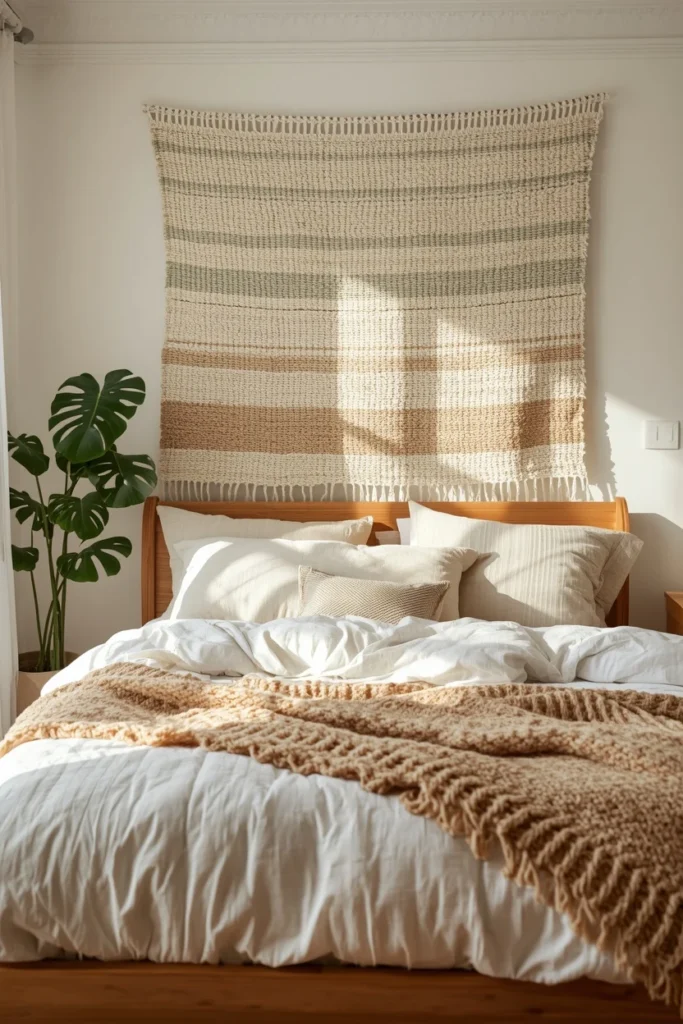
Above the Bed
This is the classic placement, and it earns that status because it works so reliably. A tapestry above the bed acts as a headboard alternative or an enhancement to an existing headboard.
It frames the bed, adds visual height to the room, and creates that cozy, layered look that boho bedrooms are known for.
Choose a tapestry that is slightly wider than your bed for the most balanced look. A tapestry that is too narrow makes the bed look cramped rather than anchored.
In the Living Room as a Statement Wall
Your living room is the space that does most of the entertaining, which means it deserves a wall hanging that starts conversations.
A large macrame piece or a richly patterned woven tapestry on the main wall behind your sofa creates an immediate focal point that ties the whole room together.
Pair it with a few plants, some layered throw pillows, and warm lighting, and you have a room that looks professionally styled without spending a fortune on an interior designer.
In a Small Space or Hallway
Small spaces benefit enormously from tapestries because they add visual interest without taking up any floor space.
A hallway with a single beautiful tapestry instantly feels more welcoming and intentional. A studio apartment with a large tapestry on one wall suddenly feels curated rather than cramped.
Lighter tapestries in cream, sage, or warm beige tones work best in small spaces because they add texture without visually closing in the room.
Styling Tips to Make Your Tapestry Look Its Best
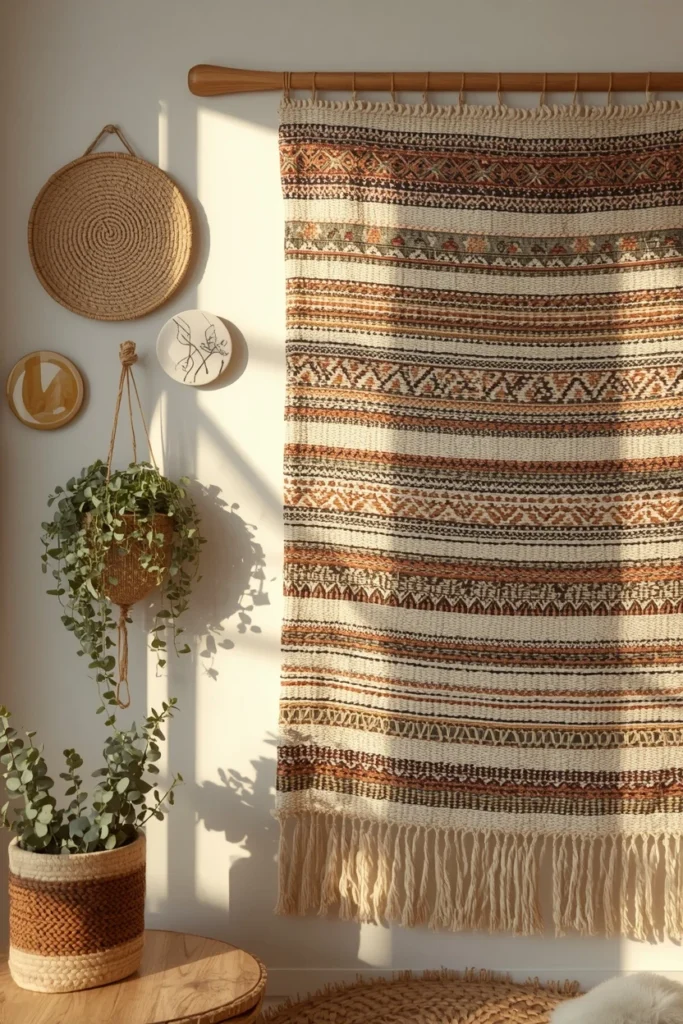
Layer It With Other Textures
A tapestry on its own looks good. A tapestry surrounded by complementary textures looks amazing. Think rattan wall baskets, woven shelves, dried pampas grass, or macrame plant hangers nearby.
Layering textures creates that effortlessly curated boho look that always photographs beautifully.
You are not going for “lots of stuff on the wall.” You are going for a cohesive collection of organic textures that feel like they belong together.
Shop Boho Wall Decor Accessories On Amazon
Use the Right Hanging Method
How you hang a tapestry affects how it looks more than most people realize. Dowel rods give a clean, intentional top line.
Clips along a wire give a more casual, gallery-style feel. Simply draping a tapestry over a curtain rod creates a relaxed, laid-back look that suits the boho aesthetic perfectly.
Avoid using too many nails or hooks along the top edge because it creates an uneven, lumpy hang. One central support point or a full dowel rod keeps things looking polished.
Browse Tapestry Hanging Rods And Hardware On Amazon
Do Not Fear Mixing Patterns
One of the most common decorating fears is pattern mixing, and boho decor laughs in the face of that fear.
Mixing your tapestry with patterned cushions, a printed rug, or a bold throw actually looks intentional in a boho-styled space.
The key is to keep a consistent color palette running through all the patterns so they feel connected rather than chaotic.
Final Thoughts
Boho tapestry wall hangings are one of those rare decor investments that deliver an outsized impact for a relatively small cost and effort.
They transform blank walls into visual stories. They bring warmth, texture, and personality into spaces that desperately need all three.
If your walls have been giving you the silent treatment, a well-chosen boho tapestry is the conversation starter they need.
Start with one piece in a room that feels unfinished, hang it with intention, and watch how it changes the entire energy of the space.
Your walls have been patient long enough. It is time to give them something worth looking at.
What Size Boho Tapestry Should I Get for My Bedroom Wall?
For a bedroom wall, your tapestry should ideally cover 60 to 70 percent of the wall’s width to create a balanced, anchored look.
If you are hanging it above a bed specifically, choose a tapestry that matches or slightly exceeds the width of your bed frame.
A Queen bed pairs well with a tapestry between 60 and 80 inches wide, while a King bed looks best with something closer to 80 to 100 inches.
Going too small above a bed makes the piece look like an afterthought rather than a deliberate design choice.
What Is the Best Way to Hang a Boho Tapestry Without Damaging Walls?
The easiest damage-free methods include using removable adhesive strips rated for the weight of your tapestry, tension rods in doorframes or window frames, or adhesive hooks for lighter woven pieces.
For heavier macrame tapestries, a single small nail into a wall stud is the most secure option and causes minimal damage.
Dowel rods distributed across the top of the tapestry spread the weight evenly and prevent sagging, which is especially important for large or heavy pieces.
Can You Use Boho Tapestries Outdoors or in High-Humidity Spaces Like Bathrooms?
Most boho tapestries made from cotton, jute, or natural fibers are not ideal for permanent outdoor use or high-humidity environments because moisture causes them to develop mold, stretch out of shape, or deteriorate faster.
However, covered outdoor patios with good airflow can work for short-term display during dry seasons.
For bathrooms, stick to synthetic-blend tapestries that resist moisture, and ensure the room has adequate ventilation.
Natural fiber macrame pieces should stay in dry indoor spaces to maintain their texture and longevity.
How Do You Clean and Maintain a Boho Tapestry Wall Hanging?
Most woven and printed fabric tapestries are machine washable on a gentle cold cycle, but always check the care label first because macrame and heavily fringed pieces often require hand washing to prevent fraying and tangling.
Lay flat to dry rather than tumble drying, as heat can shrink natural fibers and distort the shape.
For routine maintenance between washes, use a lint roller or a soft brush to remove dust, and gently shake the tapestry outside every few weeks to keep it looking fresh.
Avoid hanging tapestries in direct sunlight for extended periods because UV exposure fades colors over time.
How Do You Style a Boho Tapestry in a Modern or Minimalist Home Without It Looking Out of Place?
The key is to treat the tapestry as the single statement piece in the room rather than stacking it with too many other boho accessories.
Choose a tapestry in a neutral palette such as cream, warm grey, or natural linen tones so it complements clean modern lines without clashing.
A simple geometric woven tapestry tends to bridge the gap between minimalist and boho aesthetics more naturally than a heavily fringed or deeply patterned piece.
Keep the surrounding wall space clear and let the tapestry breathe, and it will read as a considered design decision rather than a style conflict.