
Picture this: your dining table looks stunning, the lighting is perfect, and then your guests sit down on chairs that feel like a park bench. That’s the moment an elegant dining room falls apart.
I learned this the hard way after living with a set of hard wooden chairs for two years, and let me tell you, nobody lingers over dessert when their tailbone is filing a complaint.
That’s why upholstered dining chairs changed everything for my dining room, and honestly, they might do the same for yours.
This guide walks you through everything you need to know, from fabric choices to maintenance headaches, so you can pick chairs that look expensive and actually hold up to real life.
Why Upholstered Dining Chairs Instantly Elevate a Room
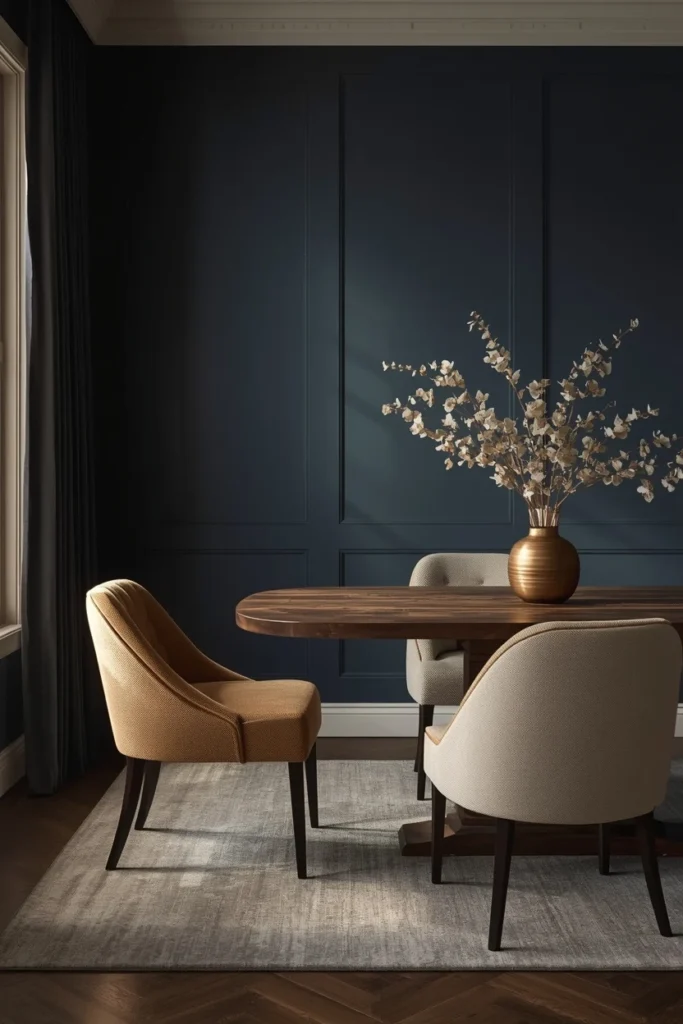
There’s a reason high-end restaurants and boutique hotels rarely use bare wood or metal seating.
Upholstered chairs add softness, texture, and warmth that hard surfaces just can’t fake. A room full of wood and stone can feel cold no matter how nice the furniture is.
Fabric or leather upholstery breaks up that hardness immediately. It also does something sneaky: it makes a space feel finished, even curated, without you doing much extra work.
Ever notice how a single upholstered chair can make an entire room look pulled together? That’s not an accident, that’s design psychology at work.
Comfort Isn’t Optional Anymore
Nobody wants to admit that comfort influences how long guests stay at dinner, but it absolutely does.
A cushioned seat and a supportive backrest keep people relaxed through a three course meal instead of shifting every five minutes. I’ve watched dinner parties stretch an extra hour simply because the chairs didn’t hurt.
Comfort and elegance are not opposites. In fact, the best dining chairs prove they go hand in hand.
Choosing the Right Fabric for Your Dining Chairs
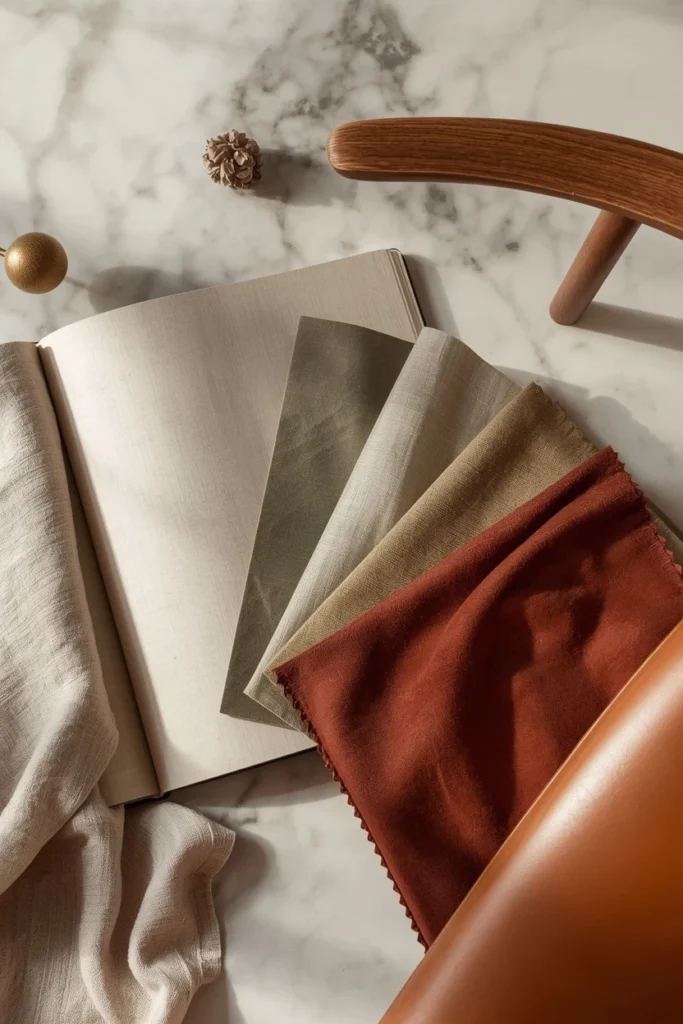
This is where most people get stuck, and I get it, the options feel endless. Let’s break down the major fabric categories so you can actually make a decision instead of leaving fifteen browser tabs open forever.
Performance Fabrics
Performance fabric is the unsung hero of dining rooms, especially if kids, wine nights, or clumsy guests are involved. These fabrics resist stains, repel liquid, and clean up with a damp cloth in most cases.
- Stain resistance: Spills bead up instead of soaking in
- Durability: Handles daily use without pilling or thinning
- Easy maintenance: No dry cleaner required
I switched to performance fabric after a red wine incident I still refuse to discuss in detail. Worth every penny.
Shop Performance Fabric Dining Chairs
Linen and Cotton Blends
Linen brings a relaxed, textured look that feels effortlessly upscale.
It photographs beautifully and pairs well with almost any style, from farmhouse to modern minimalist. The catch? Linen stains easily and shows wear faster than synthetic blends.
If your dining room sees heavy daily use, linen might not be the practical hero you want. If it’s reserved for holidays and dinner parties, it’s gorgeous.
Velvet for Drama and Depth
Velvet upholstered dining chairs instantly read as luxurious, no debate there. The fabric catches light beautifully and adds a rich, tactile quality that flat fabrics can’t match.
Velvet works especially well in moody, jewel-toned dining rooms where you want a statement piece.
Just know that velvet requires a bit more care and can attract pet hair like it’s magnetized. Worth it for the visual payoff? Absolutely, in my opinion.
Leather and Faux Leather
Leather brings a polished, tailored look and wipes clean almost instantly. It resists spills better than most woven fabrics and ages with a nice patina over time.
Faux leather offers a budget-friendly alternative with similar cleaning benefits, though it doesn’t quite match real leather’s longevity.
Matching Chair Style to Your Dining Room Aesthetic
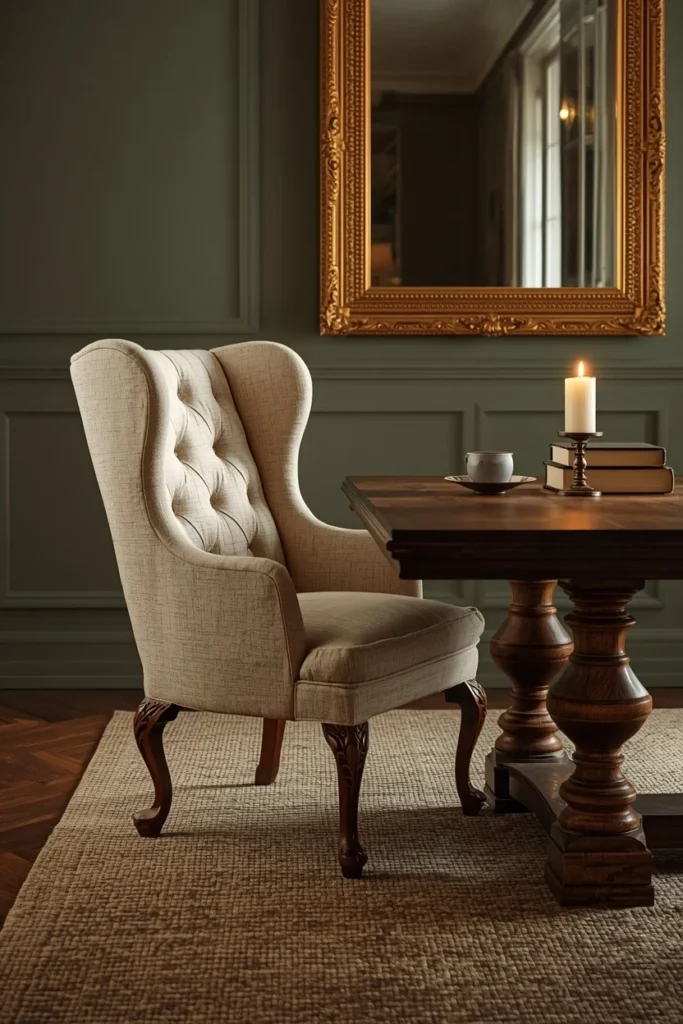
Fabric matters, but shape and silhouette carry just as much visual weight. The wrong style can clash with your table even if the fabric is perfect.
Classic and Traditional Spaces
Look for wingback or rolled-arm dining chairs with tufted backs and turned wood legs. These details signal a more formal, timeless aesthetic. Pair them with a solid wood table for a cohesive, put-together look.
Modern and Minimalist Rooms
Go for clean lines, low profiles, and simple stitching details. Chairs with slim metal legs or Scandinavian-inspired wood frames keep the room feeling open.
Avoid heavy tufting here, it tends to clash with minimalist design instead of complementing it.
Transitional and Eclectic Spaces
This is where you get to have fun and mix textures without overthinking it. A bouclé or textured weave chair pairs surprisingly well with both traditional and contemporary tables.
Transitional style rewards a bit of contrast, so don’t be afraid to break the matchy-matchy rule.
Practical Considerations Before You Buy
Elegant looks matter, sure, but let’s talk about the stuff nobody puts in the glossy catalog photos.
Cleaning and Maintenance
Ask yourself honestly how your dining room actually gets used.
Is it a formal space reserved for holidays, or is it command central for homework, crafts, and daily meals? Your fabric choice should match your real lifestyle, not your Pinterest board.
- Households with kids or pets: prioritize performance fabric or leather
- Formal, low-traffic dining rooms: linen, velvet, or silk blends work beautifully
- High-humidity climates: avoid fabrics prone to mildew, like untreated cotton
Chair Height and Table Proportions
This one trips people up constantly. Measure the gap between your seat height and tabletop, aiming for 10 to 12 inches of clearance. Too little space and knees bang the table, too much and arms rest awkwardly.
Also measure chair width against your table’s seating capacity. Squeezing six wide upholstered chairs around a table meant for four just creates a dinner party demolition derby.
Removable Covers Are a Game Changer
If you can find dining chairs with removable, washable slipcovers, grab them. This single feature solves most of the anxiety around choosing a beautiful but delicate fabric.
I switched one set to slipcovers and stopped stressing about red sauce entirely.
Shop Dining Chairs With Removable Covers
Budget Considerations and Where to Splurge
Not every chair needs to break the bank, but a few areas genuinely deserve investment. Here’s how I’d prioritize spending if money were a real constraint, because for most of us, it is.
- Frame construction: Solid wood frames outlast particle board by years
- Foam density: Higher density foam holds its shape instead of flattening
- Fabric quality: A higher thread count or tighter weave resists wear better
- Stitching details: Reinforced seams prevent early fraying at stress points
Skip the temptation to save money on the frame just to afford a fancier fabric. A gorgeous velvet chair with a wobbly frame is still a wobbly chair, and no amount of fabric can fix that.
Care Tips to Keep Your Chairs Looking Elegant Longer
Buying beautiful chairs is step one, keeping them beautiful is the real challenge. A little routine care goes a long way toward protecting your investment.
- Vacuum fabric weekly using an upholstery attachment to prevent dust buildup
- Blot spills immediately rather than rubbing, which pushes stains deeper
- Rotate seat cushions if removable, to distribute wear evenly
- Use fabric protector spray on non-performance fabrics for extra stain resistance
- Avoid direct sunlight on chairs near windows to prevent fading over time
None of this takes much effort, but skipping it for a year shows fast. Trust me, future you will appreciate present you doing the five minutes of vacuuming.
Final Thoughts on Choosing Upholstered Dining Chairs
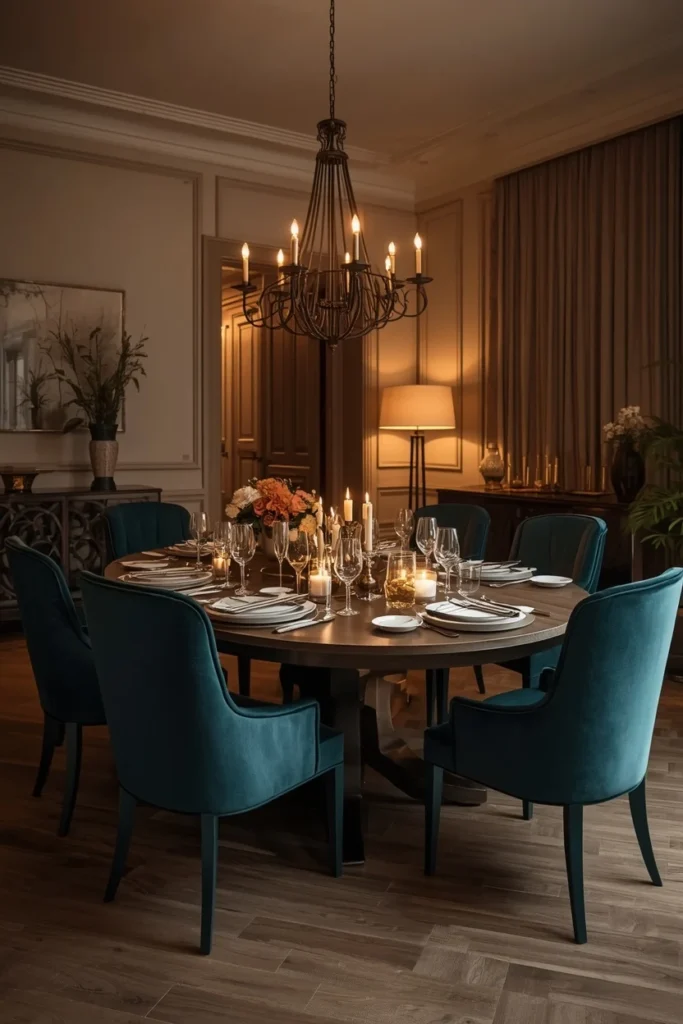
An elegant dining room isn’t just about the table or the chandelier hanging above it.
The chairs do a surprising amount of heavy lifting, both visually and literally, every time someone sits down for dinner.
Upholstered dining chairs bring texture, comfort, and personality that hard seating simply cannot match.
Choose your fabric based on how you actually live, not just how a showroom photo looks under perfect lighting.
Match your chair style to your room’s overall aesthetic, and don’t skip the practical details like frame quality and seat clearance.
Do that, and you’ll end up with a dining room that looks as good as it feels, long after the first dinner party ends.
So, ready to swap out those old chairs for something your guests will actually want to sit in?
Are Upholstered Dining Chairs Worth The Extra Cost?
Yes, especially if your dining room gets regular use. Upholstered chairs offer better comfort, more style flexibility, and a softer overall look than bare wood or metal seating.
The added cost usually pays off in how much longer guests linger at the table and how much better the room photographs.
What Is The Most Durable Fabric For Dining Chairs?
Performance fabric wins this category by a wide margin. It resists stains, handles spills without soaking through, and holds up to years of daily use without pilling.
Leather and faux leather come in a close second, especially for households with kids or pets.
How Do You Clean Upholstered Dining Chairs?
Blot spills immediately instead of rubbing them, since rubbing pushes stains deeper into the fibers.
Vacuum the fabric weekly with an upholstery attachment to prevent dust and crumb buildup. For non-performance fabrics, a fabric protector spray adds an extra layer of stain resistance.
Can Upholstered Dining Chairs Work In A Small Dining Room?
Absolutely, as long as you choose a slim profile with low arms or no arms at all. Bulky wingback styles can overwhelm a compact space, so look for streamlined silhouettes with tapered legs instead.
Lighter fabric colors also help a small room feel more open rather than boxed in.
How Often Should You Replace Dining Chair Upholstery?
Most upholstered dining chairs need reupholstering or fabric replacement every seven to ten years with regular use.
Signs it’s time include visible fading, thinning fabric, or foam that no longer springs back after sitting. Reupholstering is often cheaper than buying new chairs and lets you refresh the whole room’s look at once.