
Choosing a crib seems easy until you start shopping. Suddenly, you face hundreds of choices, each claiming to be the safest, sturdiest, and best investment for your nursery.
If you’re a first-time parent, this can feel exciting yet overwhelming. I know this from personal experience.
Here’s the game changer: a convertible baby crib.
Instead of buying a crib your child will outgrow in two years, a convertible crib adapts from newborn to toddler and sometimes even to the teenage years.
It’s a smarter choice and a safer long-term solution. Once you know what to look for, the decision becomes much less stressful.
What Is a Convertible Baby Crib and Why Does It Matter
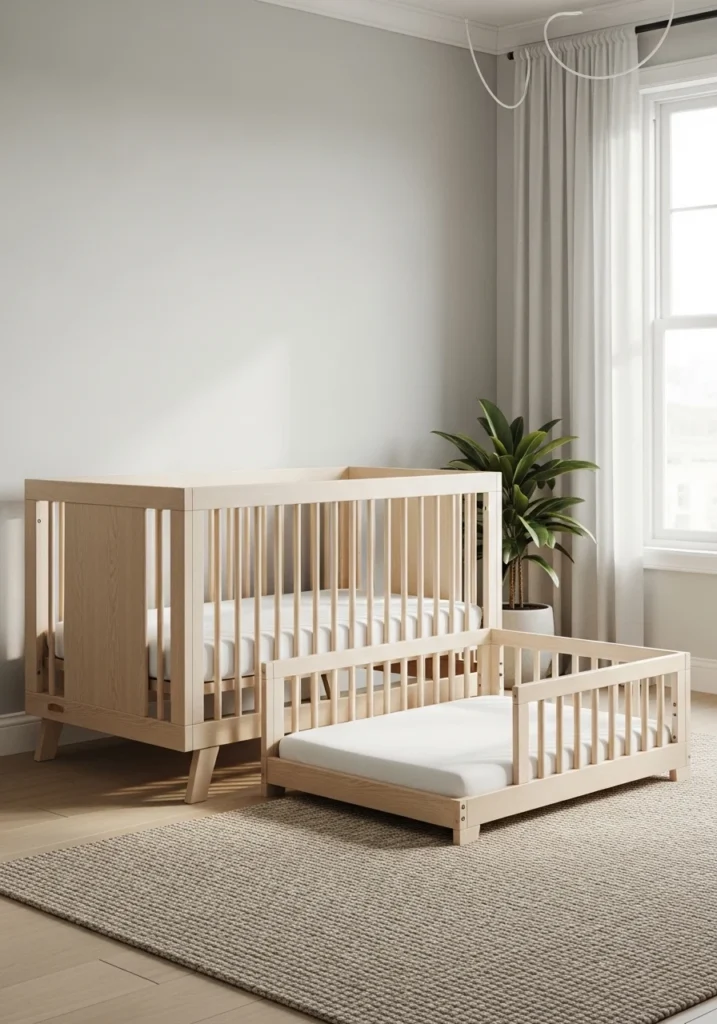
A convertible crib is exactly what it sounds like. It starts life as a standard infant crib and then converts into other bed configurations as your child grows.
The most common conversion path looks like this:
- Crib (for infants and young babies)
- Toddler bed (with a toddler safety rail replacing one crib side)
- Daybed (an open, sofa-style configuration for older toddlers)
- Full-size or twin bed (using the crib’s headboard and footboard with an adult bed frame)
Not every convertible crib offers all four stages, so you need to check what conversions come included and which ones require purchasing additional conversion kits.
That detail matters more than most people realize before they buy.
Shop Convertible Baby Cribs On Amazon
Why Parents Choose Convertible Cribs Over Standard Cribs
A standard crib typically works for a child from birth to around age two or three. After that, you buy a toddler bed. Then a twin. That adds up fast, both in money and in nursery chaos.
A quality convertible crib consolidates those purchases into one solid piece of furniture that can realistically last a decade.
Beyond the cost savings, there is a comfort argument too. Children often sleep better when they stay in a familiar piece of furniture rather than transitioning to something completely new.
Keeping the same bed frame, just in a different configuration, eases that adjustment significantly.
The Safety Standards You Cannot Ignore
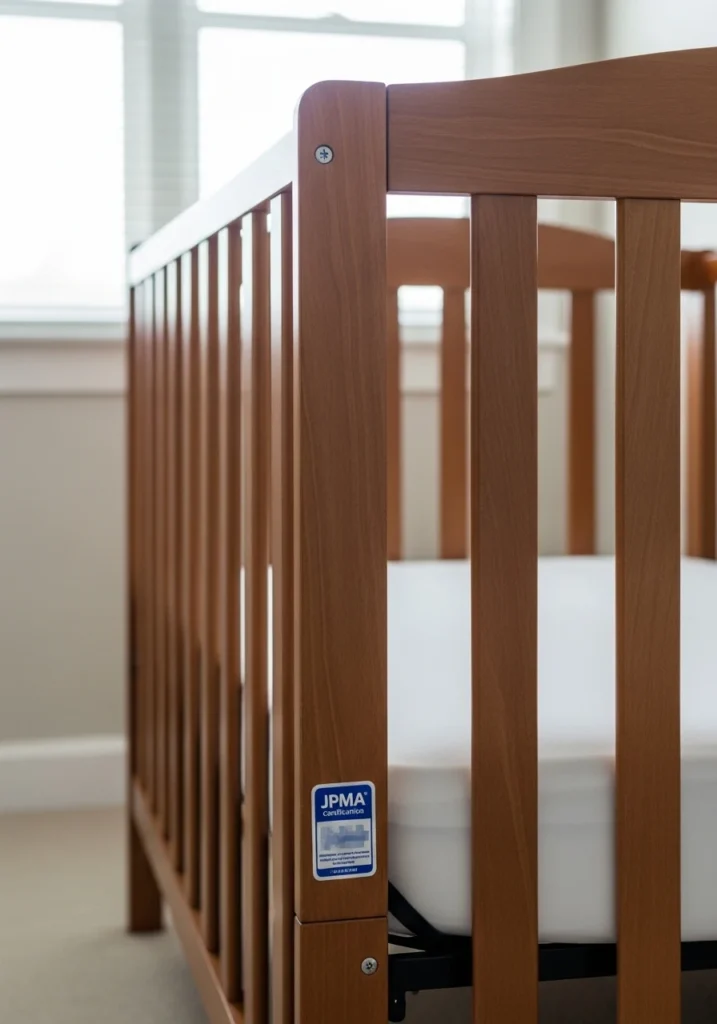
Before any style preference or price point enters the conversation, safety has to lead.
Baby sleep safety is not an area where cutting corners makes sense, and a crib that does not meet current safety standards is not a bargain at any price.
Here is what to verify before you buy any convertible crib:
- JPMA certification: The Juvenile Products Manufacturers Association certifies cribs that meet or exceed federal safety standards. This certification is a strong starting signal.
- ASTM and CPSC compliance: The American Society for Testing and Materials and the Consumer Product Safety Commission both set mandatory standards for crib construction. Confirm the crib meets both.
- Fixed sides only: Drop-side cribs are banned in the United States as of 2011. Any crib still advertising a drop side is not safe and should not be in any nursery.
- Slat spacing: Slats must measure no more than 2 and 3/8 inches apart to prevent entrapment hazards.
- Non-toxic finish: Look for cribs finished with non-toxic, low-VOC paint or stain. Babies mouth everything, and a crib rail is no exception.
Shop JPMA-Certified Cribs On Amazon
Mattress Fit and Firmness
The crib mattress matters just as much as the crib itself. The mattress must fit snugly with no more than two fingers of space between the mattress edge and the crib side.
A gap large enough for a baby to wedge into creates a serious suffocation risk.
Always buy a crib-specific firm mattress and resist the urge to add soft padding, pillows, or thick bumpers inside the sleeping area.
Shop Firm Crib Mattresses On Amazon
Key Features to Look for in the Best Convertible Cribs
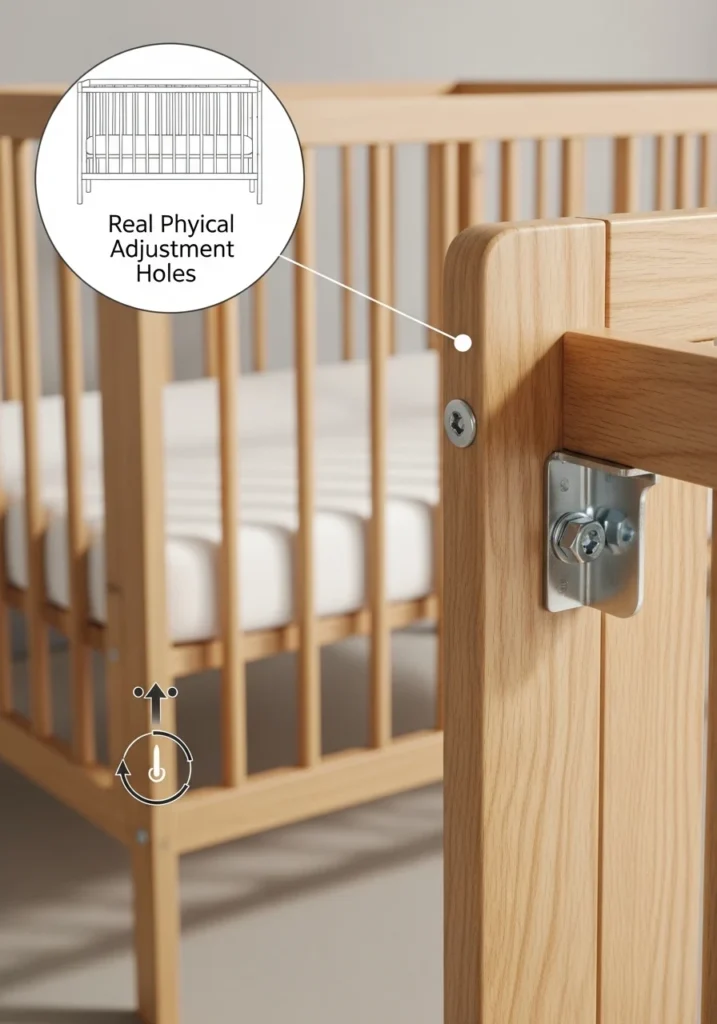
Now that safety is squared away, here is what separates a great convertible crib from a mediocre one.
These features directly affect how long the crib lasts, how much use you get from each conversion stage, and how much you enjoy living with it in your home.
Solid Wood Construction
Solid wood beats engineered wood and MDF every time when it comes to convertible cribs.
Solid wood handles repeated assembly and disassembly better, which matters because you will likely reconfigure the crib at least twice.
Engineered wood tends to strip at the hardware points after a few conversions, which is frustrating and potentially unsafe.
Beech, maple, and pine are all common solid wood options at different price points. Beech and maple tend to be denser and more durable, while pine is lighter and more affordable.
Any of the three works well as long as the construction is solid and the joinery is tight.
Adjustable Mattress Heights
Most quality convertible cribs offer three or four adjustable mattress height settings.
You start with the mattress at the highest position when your baby cannot yet sit up, then lower it as your baby becomes more mobile to prevent climbing out.
This feature sounds minor until you realize how much it affects daily use and safety across the first two years.
Conversion Kit Inclusion
Some convertible crib brands include all conversion kits in the original purchase price.
Others sell the toddler rail or full-size bed conversion hardware separately, sometimes at a significant additional cost.
Always check what the base price actually includes before you compare price tags between brands.
A crib that seems cheaper upfront may cost more overall once you factor in the conversion kits you will definitely need later.
Hardware Quality
This one gets overlooked constantly. The bolts, screws, and hardware components that hold a crib together carry your child’s safety, and cheap hardware strips, loosens, and fails faster than quality metal fittings.
Look for cribs that use metal hardware throughout rather than plastic components.
Check reviews specifically for comments about hardware quality and ease of assembly because those details reveal a lot about long-term durability.
The Best Convertible Baby Cribs Worth Considering
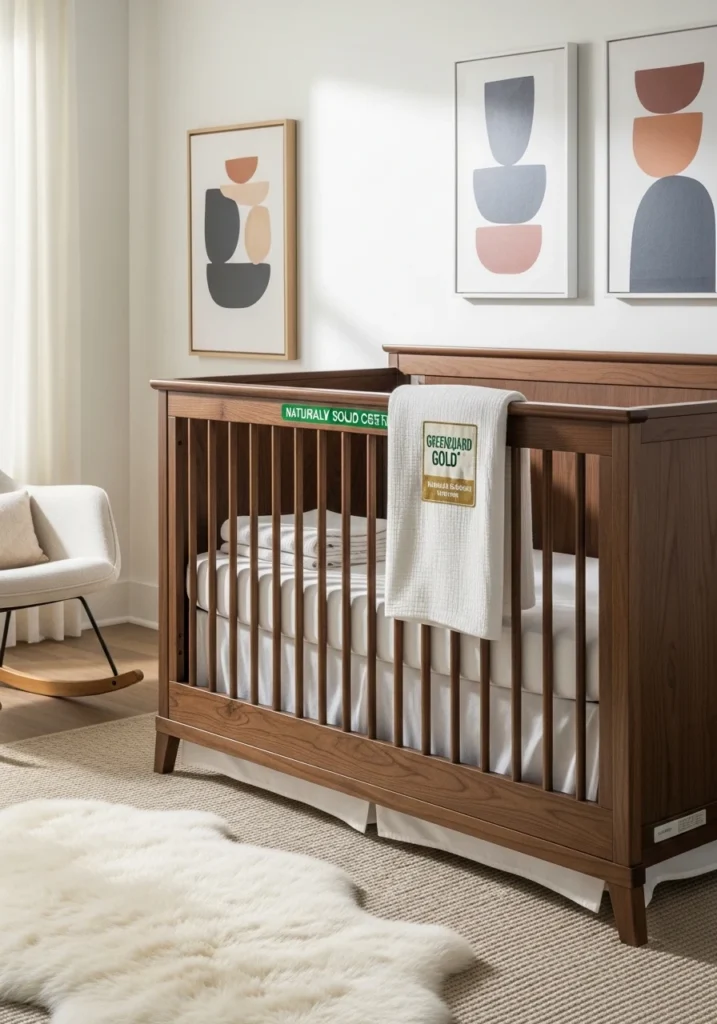
Rather than an exhaustive list of every option on the market, here are the categories of convertible cribs that consistently deliver on both safety and longevity, with honest notes on what each does well and where each falls short.
Budget-Friendly Convertible Cribs (Under $300)
Budget convertible cribs absolutely can meet safety standards and perform reliably. The trade-offs typically show up in:
- Thinner slats and lighter wood (usually pine rather than beech or maple)
- Fewer mattress height settings (often two rather than three or four)
- Conversion kits sold separately, which brings the real cost closer to mid-range options anyway
Brands like DaVinci and Graco consistently produce solid budget-friendly convertible cribs that meet JPMA and CPSC standards. The DaVinci Kalani 4-in-1 is a reliable starting point in this category.
It converts through all four stages, uses solid New Zealand pine, and finishes with a non-toxic coating. The full-size conversion kit costs extra, which is worth noting upfront.
Shop Budget Convertible Cribs On Amazon
Mid-Range Convertible Cribs ($300 to $600)
This is where most parents find the best balance between quality, longevity, and price. Mid-range convertible cribs typically offer:
- Solid hardwood construction (often beech or a beech-pine blend)
- Four mattress height positions
- Toddler conversion rail included in the base price
- Better hardware quality that holds up through multiple conversions
The Babyletto Hudson 3-in-1 sits comfortably in this range and earns consistent praise for its Greenguard Gold certification, which confirms low chemical emissions.
It converts from crib to toddler bed to daybed, and the toddler rail is included. The full-size conversion is not available, which is the main limitation compared to true 4-in-1 options.
The Stokke Sleepi also lives in this space and deserves a mention for its oval design and exceptional adaptability.
It grows through multiple stages and has a devoted following among parents who prioritize Scandinavian craftsmanship.
The system does require purchasing multiple conversion pieces over time, so budget accordingly.
Shop Mid-Range Convertible Cribs On Amazon
Premium Convertible Cribs ($600 and Above)
Premium convertible cribs justify their price through superior materials, longer warranties, and design details that genuinely affect daily use. At this level, look for:
- FSC-certified solid hardwood with documented sustainable sourcing
- Greenguard Gold certification for the strictest chemical emission limits
- All conversion kits included or sold at low additional cost
- Lifetime warranties on construction and finish
The Restoration Hardware Montauk and Pottery Barn Kids Larkin lines represent this category well.
They prioritize heirloom-quality construction and tend to outlast the child’s need for them. If the budget allows, a crib at this tier often becomes a genuinely lasting piece of furniture.
Shop Premium Convertible Cribs On Amazon
Setting Up Your Convertible Crib Safely
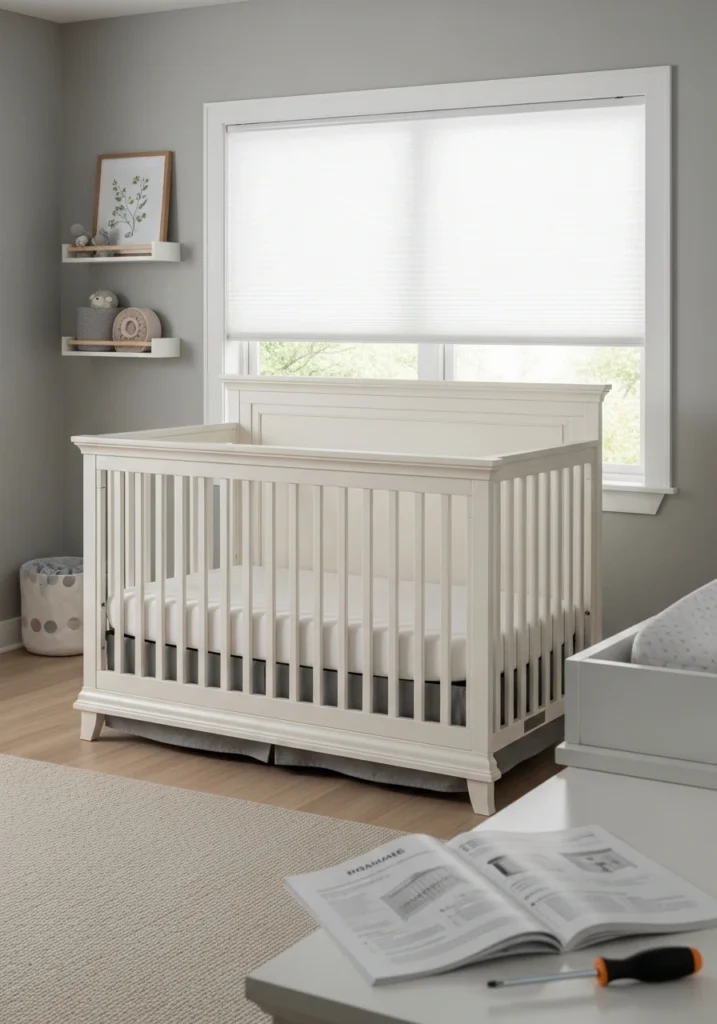
Buying the right crib is step one. Setting it up correctly is step two, and surprisingly, many parents rush this part.
Follow every step in the assembly instructions even if the process feels obvious partway through.
Cribs that are assembled incorrectly, even by experienced adults, can develop instability that becomes dangerous as your baby becomes more active.
Place the crib away from windows, blinds, curtains, and wall decorations with cords or strings.
Keep the crib at least one foot away from any wall-mounted furniture that a toddler could use as a climbing aid.
Check all hardware for tightness every few months because the natural movement from daily use gradually loosens bolts over time.
When to Transition Out of the Crib Stage
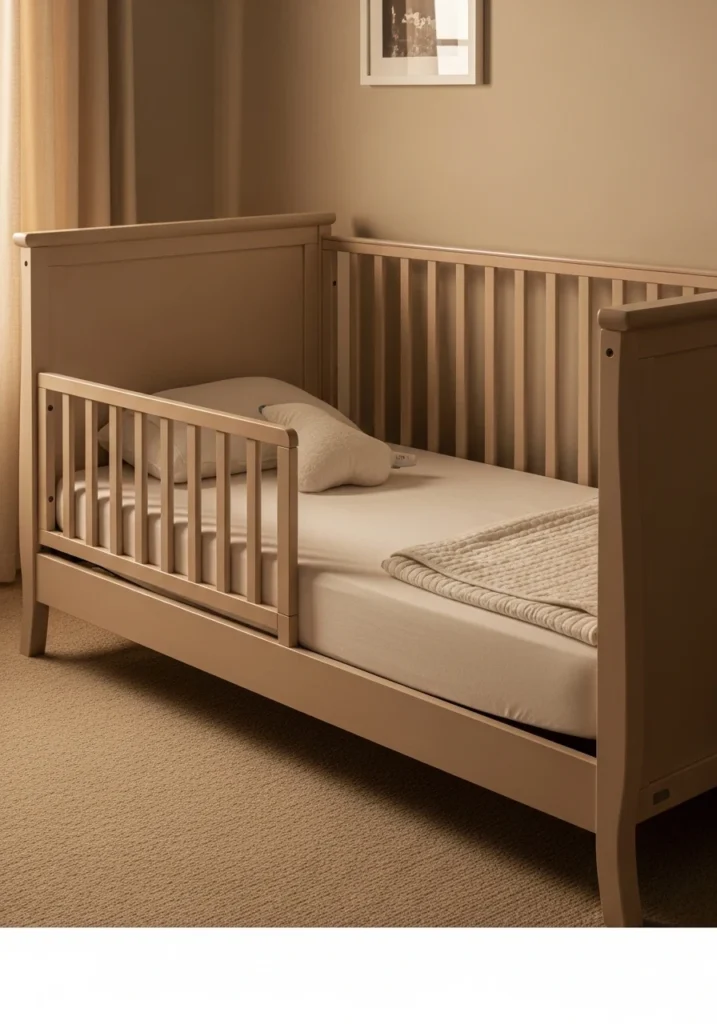
Most children move to a toddler bed configuration between 18 months and 3 years.
The clearest signal is when your child starts climbing or attempting to climb out of the crib, which is when the crib itself becomes a fall hazard rather than a safe sleep space.
Do not wait for an actual fall to prompt the transition.
With a convertible crib, this transition is genuinely easy.
You remove one side panel, attach the toddler rail, lower the mattress to floor height if your model supports it, and your child has a bed that feels familiar but gives them the independence of easier entry and exit.
Making the Final Call
A convertible baby crib is one of the most worthwhile investments you make for a safe nursery.
When you choose one with solid construction, certified safety credentials, and genuine multi-stage conversion capability, you get a piece of furniture that serves your family for years rather than months.
Start with the safety certifications, then look at construction quality, then factor in what conversions you actually need, and then consider price.
That order matters. A beautiful crib that skips on safety or durability is not a good deal at any price point.
Your child’s first few years happen fast, and the nursery you set up now should support safe, comfortable sleep through all of them.
Invest in the right convertible crib once, set it up correctly, and then get back to the much more pressing business of figuring out why your baby refuses to sleep between 2 and 4 in the morning.
The crib, at least, you can solve today.
What Is the Difference Between a Convertible Crib and a Regular Crib?
A regular crib is just a crib. You replace it when your child outgrows it, usually around age two or three.
A convertible crib changes through different bed types. It can turn from a crib to a toddler bed, then to a daybed, and sometimes to a full-size bed using the same headboard and footboard.
The main benefit is that you buy one piece of furniture. It works for your child through different growth stages, saving you from buying new beds every few years.
At What Age Should I Transition My Baby From a Crib to a Toddler Bed?
Most children transition between 18 months and 3 years old, but age alone should not drive the decision.
The clearest signal is when your child starts climbing or attempting to climb out of the crib, which turns the crib into a fall hazard.
With a convertible crib, you simply remove the front panel, attach the included toddler rail, and your child moves into a familiar bed frame at a lower, safer height without the disruption of an entirely new sleeping environment.
How Do I Know If a Convertible Crib Meets Current Safety Standards?
Before buying a convertible crib, look for three key indicators. First, make sure the crib has JPMA certification. This means it meets federal safety standards.
Second, check that it complies with ASTM and CPSC standards, which are required in the U.S. Third, ensure the crib has a fixed side design. Drop-side cribs have been banned since 2011.
Also, slat spacing should be no more than 2 and 3/8 inches apart. Finally, the finish should be non-toxic and low in VOCs.
Do Convertible Cribs Come With All Conversion Kits Included?
Not always, and this catches many parents off guard at checkout.
Some convertible cribs include the toddler rail in the base price but sell the full-size bed conversion hardware separately, sometimes at a significant additional cost.
Always read the product listing carefully to confirm exactly what the purchase price covers.
When you compare prices between brands, factor in the total cost of all conversion kits you plan to use, not just the sticker price of the crib itself.
What Type of Wood Is Best for a Convertible Baby Crib?
Solid hardwood is the best choice for a convertible crib. It handles repeated assembly and disassembly better than engineered wood or MDF. Beech and maple are the most durable options.
They hold hardware threads well during multiple conversions. Solid pine is a lighter, budget-friendly option that performs reliably if the construction quality is strong.
Avoid cribs with MDF for structural parts. MDF tends to strip at hardware points after one or two conversions, compromising longevity and safety.