
There is something quietly powerful about walking into a bedroom that just feels right. No clutter, no loud patterns, no visual chaos screaming at you before your morning coffee.
Just clean lines, soft textures, and a bed that looks like it belongs in a Scandinavian design magazine.
If you have been chasing that kind of calm, linen bedding might be the single best decision you make for your bedroom this year.
Linen has been around for thousands of years, and honestly, that should tell you something. People are not still using it out of nostalgia. They are using it because it works.
This article walks you through everything you need to know about linen bedding, from why it fits a minimal aesthetic so perfectly to how you can style it without making your bedroom look like a show home nobody actually lives in.
Shop Top-Rated Linen Bedding Sets On Amazon
Why Linen and Minimalism Were Made for Each Other
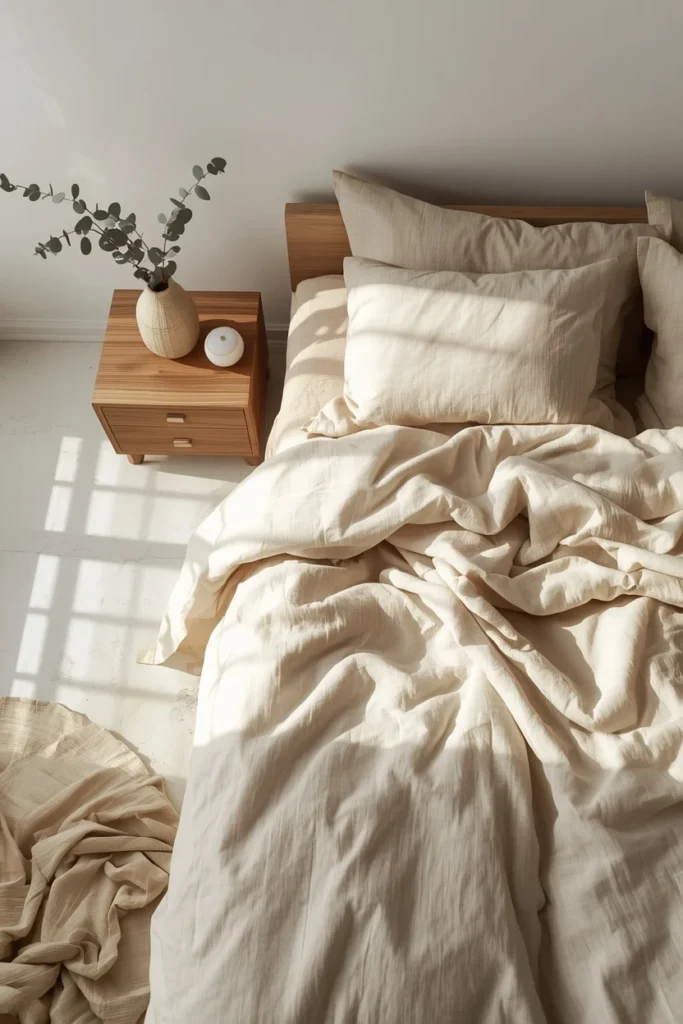
Minimalism as a design philosophy is not about owning the least amount of stuff possible. It is about choosing things that genuinely earn their place in your space. Linen bedding earns its place every single day.
The natural texture of linen brings warmth to a room without demanding attention. It does not shout. It whispers. And in a minimal bedroom where the goal is to reduce visual noise, that quality is priceless.
The Texture That Does the Work for You
One of the biggest challenges in minimal design is avoiding a room that feels cold or sterile. A white-walled bedroom with a white duvet can easily cross the line from “calm” to “hospital ward” if you are not careful.
Linen’s natural slub texture adds visual depth without adding complexity. You get that layered, lived-in look that makes a minimal room feel warm and intentional.
You do not need seventeen throw pillows to achieve that. One or two well-placed linen pillow covers, and you are already there.
Browse Linen Pillow Covers On Amazon
Natural Colours That Play Well with Any Palette
Linen comes in earthy, muted tones that are practically designed for minimal bedrooms.
Think warm whites, soft greys, sandy beiges, dusty sage greens, and warm terracotta shades. These colours do not compete with each other or with your walls. They complement.
The beauty of sticking to linen’s natural colour range is that you can mix and match without everything clashing.
A warm white linen duvet with a sage green throw and an oatmeal pillowcase creates a cohesive, layered look that feels effortless.
And that is the point. Minimal style should look like you barely tried, even when you absolutely did.
The Practical Case for Linen Bedding
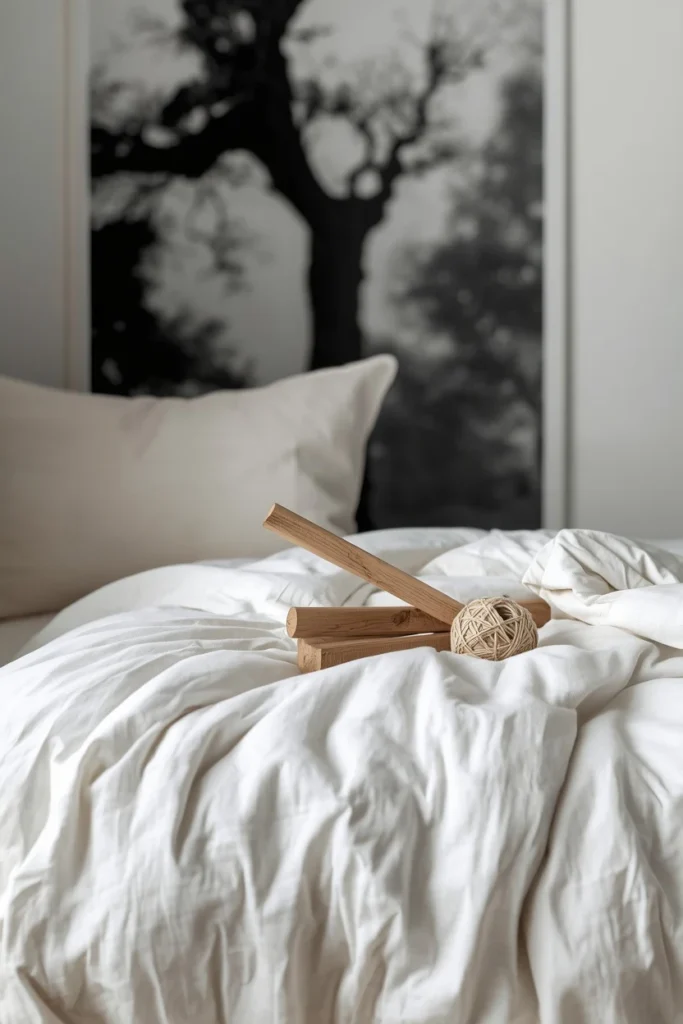
Here is the thing about linen that people do not talk about enough: it is not just beautiful. It is genuinely practical in ways that make your daily life easier.
It Gets Better With Every Wash
Most bedding looks great on the first day and gradually becomes something you tolerate. Linen works in reverse.
Every wash softens the fibres slightly, making it more comfortable over time. Your linen bedding at month six feels noticeably better than it did on day one.
This is not a small thing. You spend roughly a third of your life in bed. Investing in something that improves with use rather than degrading is just sensible decision-making.
Temperature Regulation That Actually Works
Linen is naturally breathable and moisture-wicking, which means it keeps you cool when it is warm and provides enough insulation when the temperature drops.
If you have ever woken up in a cold sweat under a synthetic duvet set, you already understand why this matters.
The hollow fibres in linen fabric allow air to circulate around your body as you sleep. This is not marketing language.
It is basic textile science, and it makes a real difference, especially for people who tend to sleep hot.
It Is Tough Without Being Rough
Linen is one of the strongest natural fibres in the world. A good quality linen sheet set, properly cared for, can last ten to fifteen years.
When you break that cost down over its lifespan, linen becomes one of the more economical bedding choices you can make.
Yes, the upfront cost is higher than a polyester blend from a budget retailer. But you also will not be replacing it every two years, which more than makes up the difference.
How to Style Linen Bedding for a Minimal Bedroom
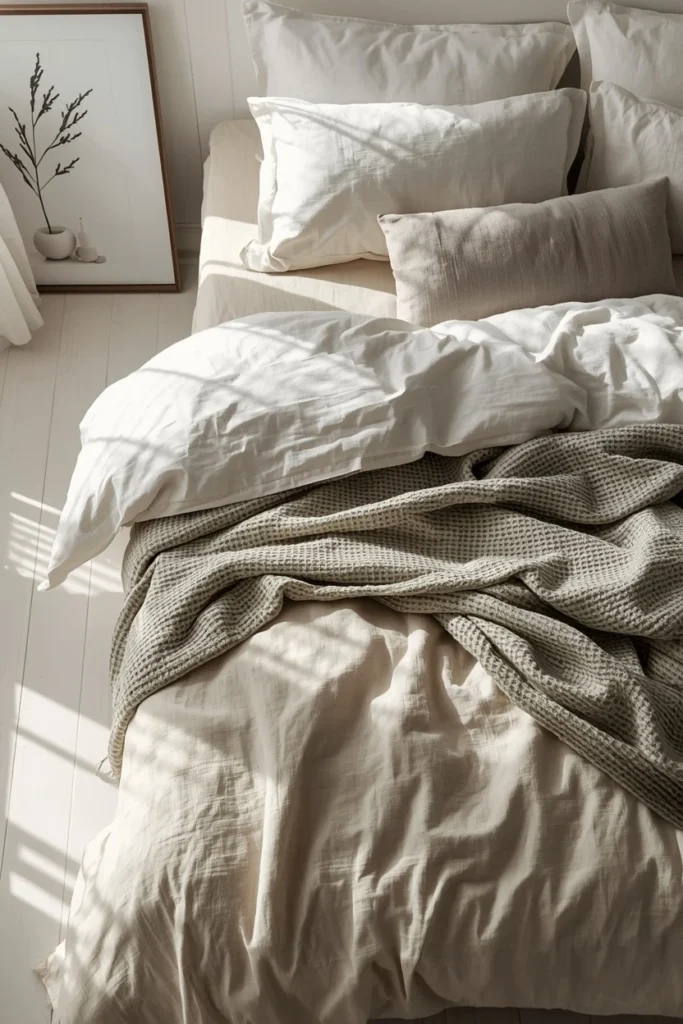
Knowing that linen is great is one thing. Knowing how to use it well in your specific space is another. Here are the approaches that actually work.
Start with a Neutral Base
Your duvet cover and fitted sheet should anchor your colour scheme. Choose a warm white, natural oatmeal, or soft grey as your base.
These tones work with virtually any wall colour and give you room to layer in accents without the whole thing becoming visually overwhelming.
Resist the urge to go bold on your base layer. The minimal aesthetic relies on restraint. Save the interesting choices for your accessories, and let your linen bedding provide the calm, grounded foundation.
Layer Thoughtfully
Layering is where minimal bedrooms go wrong most often. Either the room looks flat and underdecorated, or someone added one too many throws and it suddenly looks like a jumble sale.
The sweet spot for linen layering looks something like this:
- Base layer: A linen fitted sheet in a neutral tone
- Middle layer: A linen duvet cover in a complementary shade
- Top layer: A linen or cotton waffle throw, folded and draped across the foot of the bed
- Pillow arrangement: Two sleeping pillows in matching cases plus one or two accent pillows in a slightly contrasting linen tone
That is it. You do not need more than that to create a bed that looks intentional and inviting.
Shop Linen Throws And Duvet Covers On Amazon
Embrace the Wrinkles
This one surprises people. Linen wrinkles naturally, and in a minimal bedroom, those wrinkles are a feature, not a flaw.
They add that relaxed, organic quality that makes a space feel lived-in rather than staged.
You do not need to iron your linen bedding. In fact, ironing it removes some of the charm.
Smooth it out with your hands while it is still slightly damp from the wash, let it air dry, and then put it straight on the bed. The natural creases that form are exactly what gives that effortless aesthetic its character.
Choosing the Right Linen Bedding: What to Look For
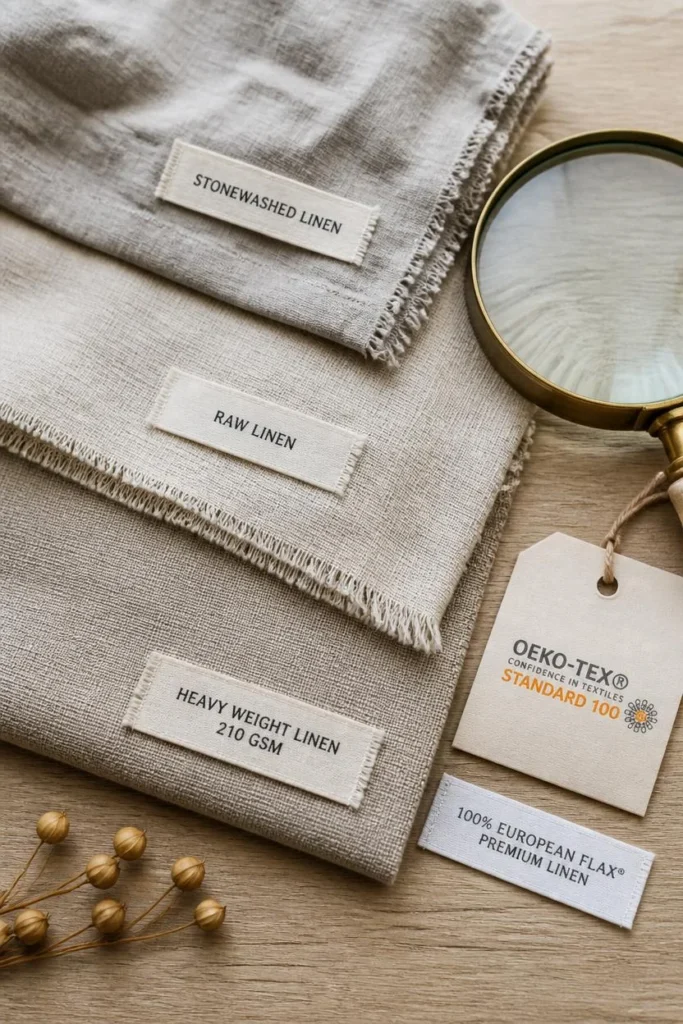
Not all linen bedding is created equal, and since you are making a real investment here, it helps to know what separates a good set from a great one.
GSM and Weight
GSM stands for grams per square metre and indicates the weight and density of the fabric. For bedding, a GSM between 175 and 200 is a reliable range.
It is substantial enough to feel luxurious without being heavy or stifling.
Lighter linen below 150 GSM can feel thin and less durable. Heavier options above 200 GSM work better as blankets or throws than as duvet covers for everyday use.
Stonewashed vs Raw Linen
Stonewashed linen has been pre-treated to accelerate the softening process, so it arrives already broken in and very soft. Raw linen has a slightly crisper feel that softens over several washes.
If you want that soft, relaxed feel immediately, go stonewashed. If you do not mind a brief break-in period and prefer a slightly more structured look initially, raw linen works perfectly well.
Find Stonewashed And Raw Linen Bedding On Amazon
Certifications Worth Checking
Look for the OEKO-TEX Standard 100 certification, which confirms that the fabric has been tested for harmful substances and meets safety standards.
European Flax certification is also a good sign, indicating that the flax was grown in Europe under regulated, sustainable conditions.
These are not just feel-good labels. They signal a product made with real quality control behind it.
Common Mistakes to Avoid
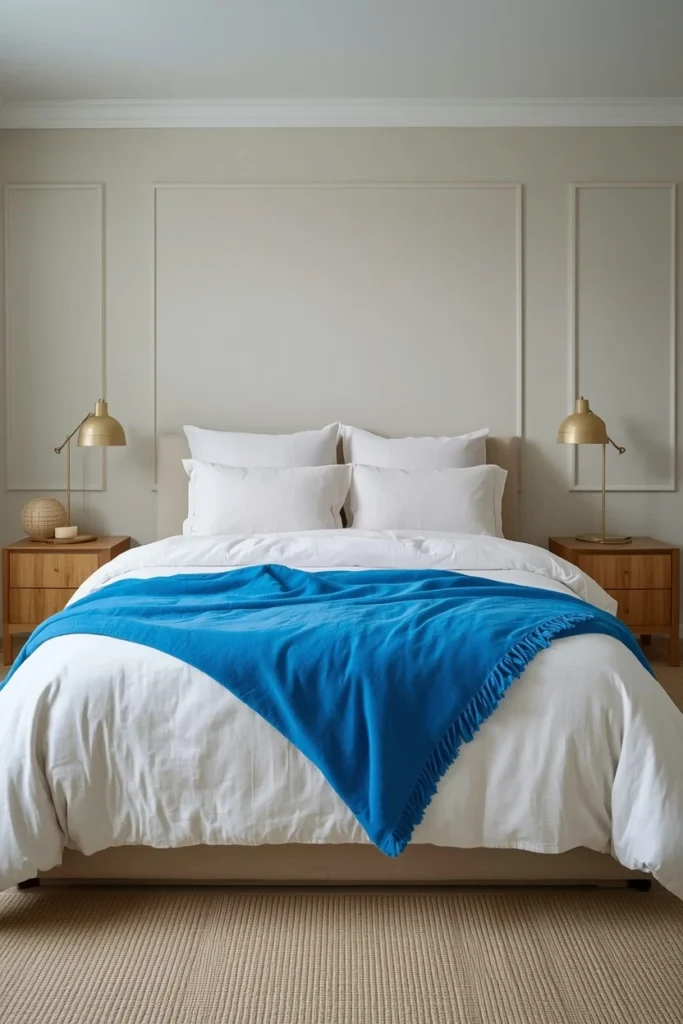
Since we are being honest here, a few habits will quietly undermine everything you are trying to achieve with linen bedding in a minimal space.
- Overcrowding the bed with pillows. Three is usually the maximum. More than that starts to look fussy rather than curated.
- Mixing too many colours. Stick to two or three tones across your entire bedding arrangement. The more colours you add, the less minimal the result.
- Using harsh detergents. Linen responds best to gentle, natural detergents. Strong chemicals break down the fibres faster and strip the fabric of its natural softness.
- Over-drying in a machine dryer. High heat damages linen over time. Line drying or tumble drying on low heat preserves both the fabric and its natural texture.
Shop Gentle Detergents For Linen On Amazon
The Long Game with Linen
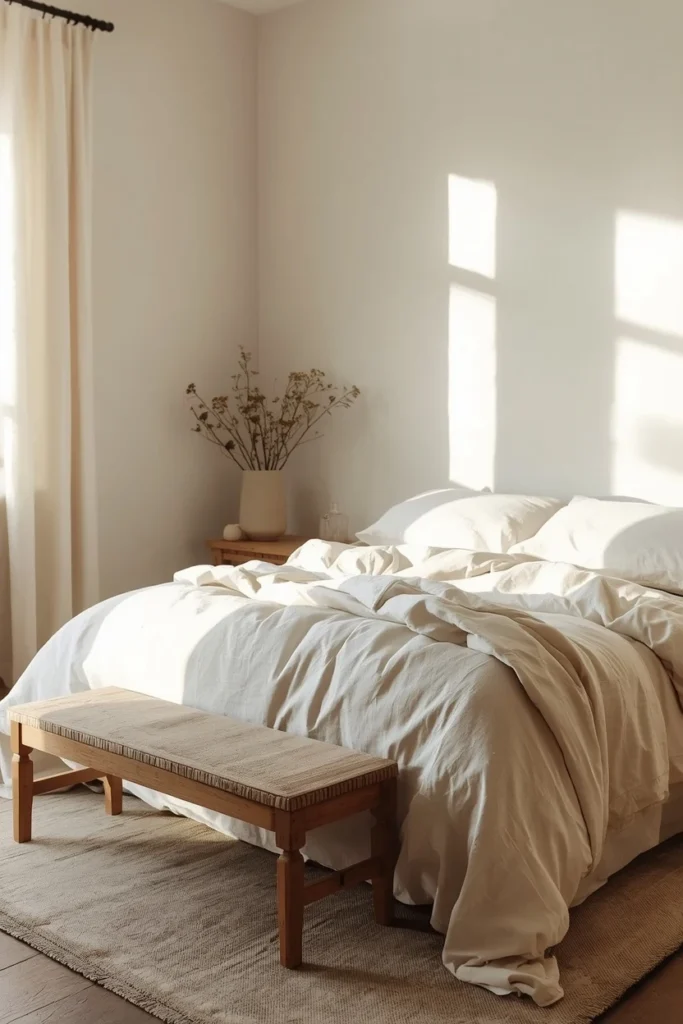
Here is the honest summary of why linen bedding fits a calm, minimal bedroom so well. It ages gracefully. It regulates temperature without any effort on your part.
Its natural texture does the decorative heavy lifting without adding visual clutter. And it grounds your bedroom in a quiet, earthy palette that genuinely promotes rest.
Is it a small investment upfront? Yes. Does it require a slightly different approach to washing and styling than you might be used to? Also yes.
But the payoff is a bedroom that feels genuinely restful every single night, not just on the days you bother to tidy it up.
Your bedroom should be the one place in your home where calm is non-negotiable. Linen bedding does not just support that goal. It actively creates it.
Is Linen Bedding Worth the Higher Price Tag?
Yes, and the maths actually works in your favour over time.
A quality linen sheet set can last ten to fifteen years with proper care, which makes the cost per year far lower than cheaper synthetic alternatives you replace every couple of seasons.
Beyond durability, linen improves in softness and comfort with every wash, so you are not just paying for something that lasts. You are paying for something that gets genuinely better the longer you own it.
What Is the Best Colour of Linen Bedding for a Minimal Bedroom?
Warm whites, natural oatmeal, soft grey, and dusty sage green are the strongest choices for a minimal bedroom aesthetic.
These tones sit within linen’s natural colour range and work with virtually any wall colour without competing for attention.
If you want to layer colours, stick to two or three tones maximum across your entire bedding arrangement. The goal is a cohesive, grounded look, not a patchwork of competing shades.
How Do You Wash and Care for Linen Bedding Properly?
Wash linen bedding in cool or warm water on a gentle cycle using a mild, natural detergent. Avoid bleach and fabric softeners, as both degrade the fibres over time. For drying, line drying is the best option.
If you use a machine dryer, keep the heat setting low and remove the linen while it is still slightly damp.
Smooth it out with your hands and put it straight on the bed. You do not need to iron it. The natural wrinkles are part of the look.
What GSM Should Linen Bedding Be for Everyday Use?
For everyday bedding, a GSM between 175 and 200 hits the right balance of comfort, breathability, and durability. Linen below 150 GSM tends to feel thin and wears out faster.
Anything above 200 GSM is better suited to throws and blankets rather than duvet covers or fitted sheets.
If you sleep hot, stay closer to the lower end of that range for better airflow. If you prefer something with a bit more weight and structure, move toward the higher end.
What Is the Difference Between Stonewashed and Raw Linen Bedding?
Stonewashed linen has gone through a pre-treatment process that breaks down the fibres and delivers a soft, relaxed feel right out of the packaging.
It also tends to look more casually textured, which suits the minimal aesthetic well. Raw linen starts crisper and slightly more structured, softening gradually over several washes.
Neither option is objectively better. It comes down to whether you want immediate softness or you do not mind a short break-in period in exchange for a slightly more polished initial appearance.