
Stop Ruining Your Scrambled Eggs
You crack the eggs, whisk them, and cook. Yet, you end up with something like rubber instead of soft, pillowy scrambled eggs. Sound familiar? You’re not alone. The issue is rarely the eggs themselves.
The secret to fluffy scrambled eggs is one ingredient most home cooks miss. Once you use it, you’ll wonder how you ever managed breakfast without it.
The Secret Ingredient: Crème Fraîche
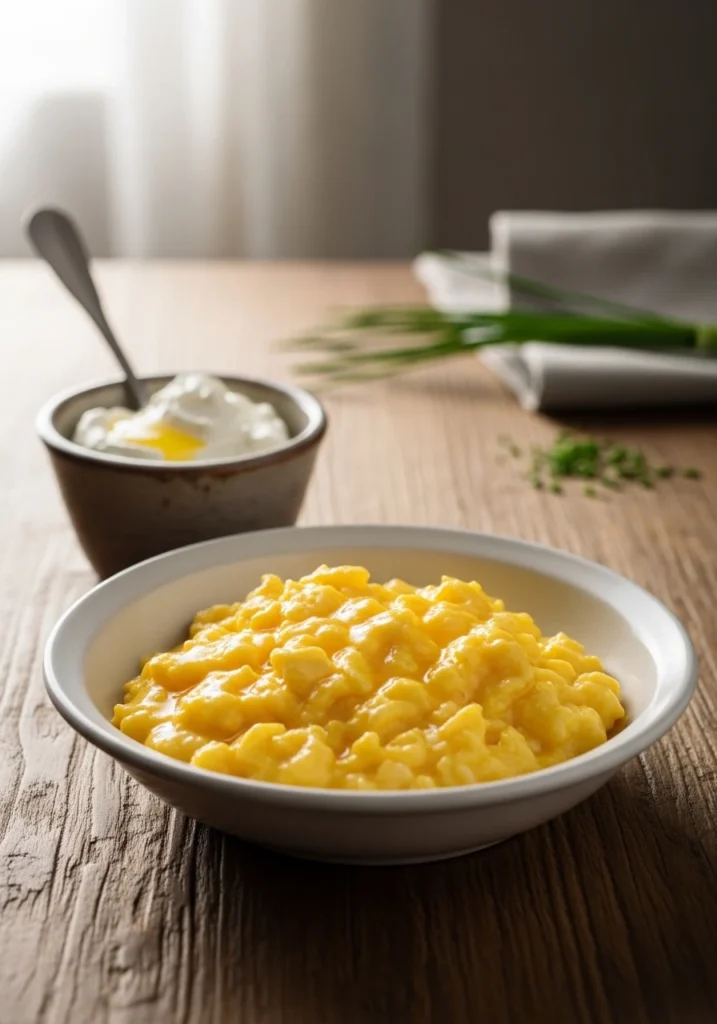
Yes, crème fraîche. Not milk, not water, not that splash of heavy cream you have been adding because some recipe told you to.
Crème fraîche is the ingredient that professional chefs and seasoned home cooks quietly rely on to get that rich, creamy, cloud-like texture that makes scrambled eggs unforgettable.
Crème fraîche is a cultured cream with a slightly tangy flavor and a fat content that sits somewhere between sour cream and heavy cream.
It melts beautifully into eggs as they cook, adding moisture without making them watery, and richness without making them greasy.
Why Not Milk or Cream?
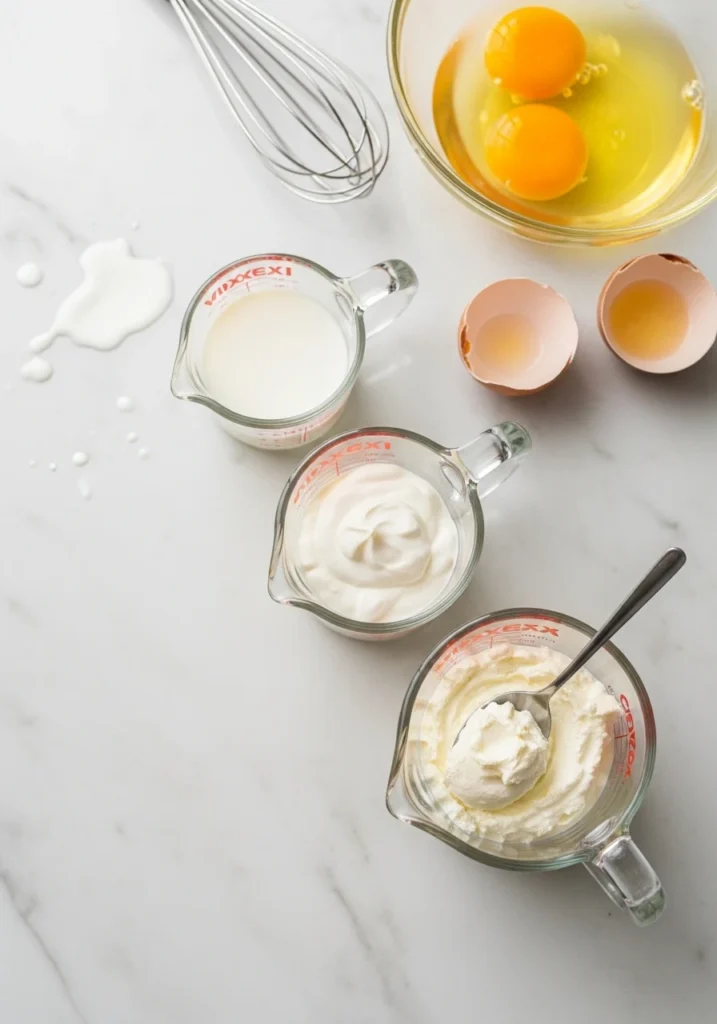
This is a question worth asking. Most recipes will tell you to add a splash of milk or cream to your eggs before you scramble them, but here is the honest truth: milk adds water to your eggs, and water is the enemy of fluffiness.
As the water evaporates during cooking, it creates steam, which can make your eggs slightly rubbery if you are not careful.
Heavy cream does a better job, but it can make scrambled eggs feel a little too dense and rich. Crème fraîche hits the sweet spot.
It has enough fat to keep everything silky, and the slight tang actually brightens the overall flavor without you even noticing it consciously.
How to Use Crème Fraîche in Scrambled Eggs
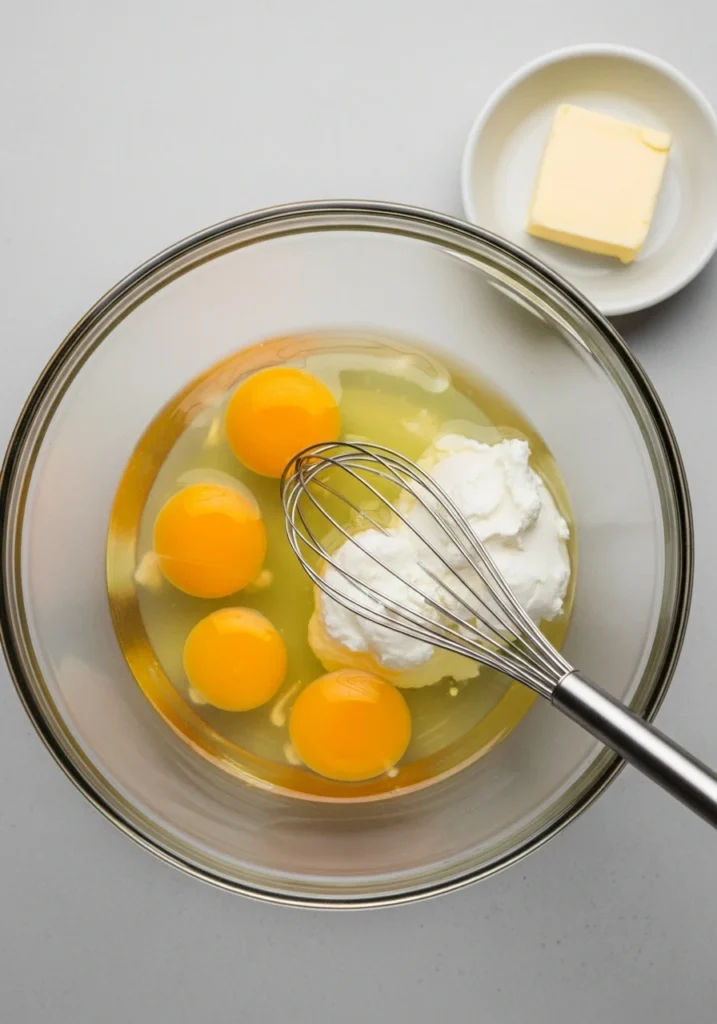
You do not need a culinary degree to make this work. The process is simple and takes about ten minutes from start to finish.
The Basic Ratio
For every two eggs, add one tablespoon of crème fraîche. This ratio keeps the eggs creamy without diluting their flavor or making them too heavy.
If you are cooking for four people and using eight eggs, add four tablespoons, which is about a quarter cup.
Step-by-Step Instructions
Here is how to make scrambled eggs that will genuinely impress people:
- Crack your eggs into a bowl and season them lightly with salt and pepper before you whisk them.
- Add your crème fraîche and whisk everything together until the mixture looks completely uniform, with no streaks of white.
- Heat your pan over low to medium-low heat and add a generous knob of unsalted butter. Let it melt slowly without browning.
- Pour your egg mixture into the pan and let it sit for about fifteen seconds before you start moving it.
- Use a silicone spatula to gently fold the eggs from the edges toward the center in slow, deliberate movements.
- Remove the pan from the heat while the eggs still look slightly underdone. Residual heat will finish the job.
The last point is critical. Overcooked scrambled eggs are a tragedy, and pulling them off the heat early is the difference between fluffy and dry.
Find A Good Silicone Spatula On Amazon
Why Heat Control Matters Just as Much
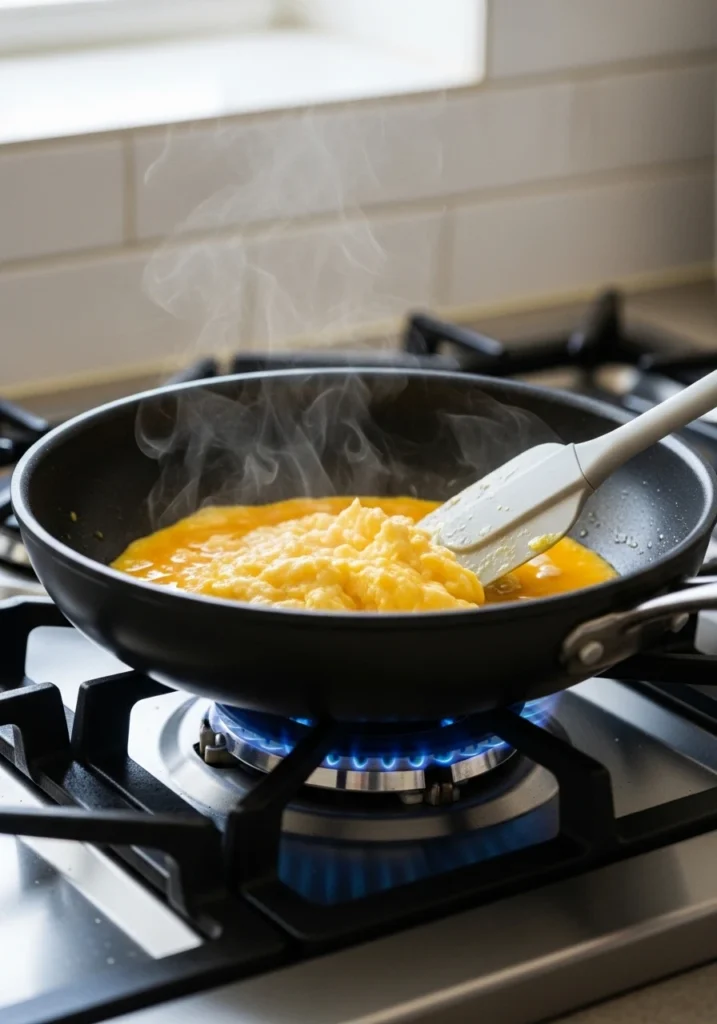
You could add all the crème fraîche in the world, but if you crank your stove up to high heat, you will still end up with tough, overcooked eggs.
Low and slow is the golden rule for scrambled eggs, and it works hand in hand with the crème fraîche to produce that perfect texture.
High heat causes the proteins in eggs to seize up and tighten quickly, squeezing out moisture and leaving you with a grainy, rubbery result.
Low heat lets the proteins cook gradually, keeping everything tender and soft. The crème fraîche adds an extra layer of protection by coating the proteins and slowing down the cooking process even further.
The Pan Choice Makes a Difference Too
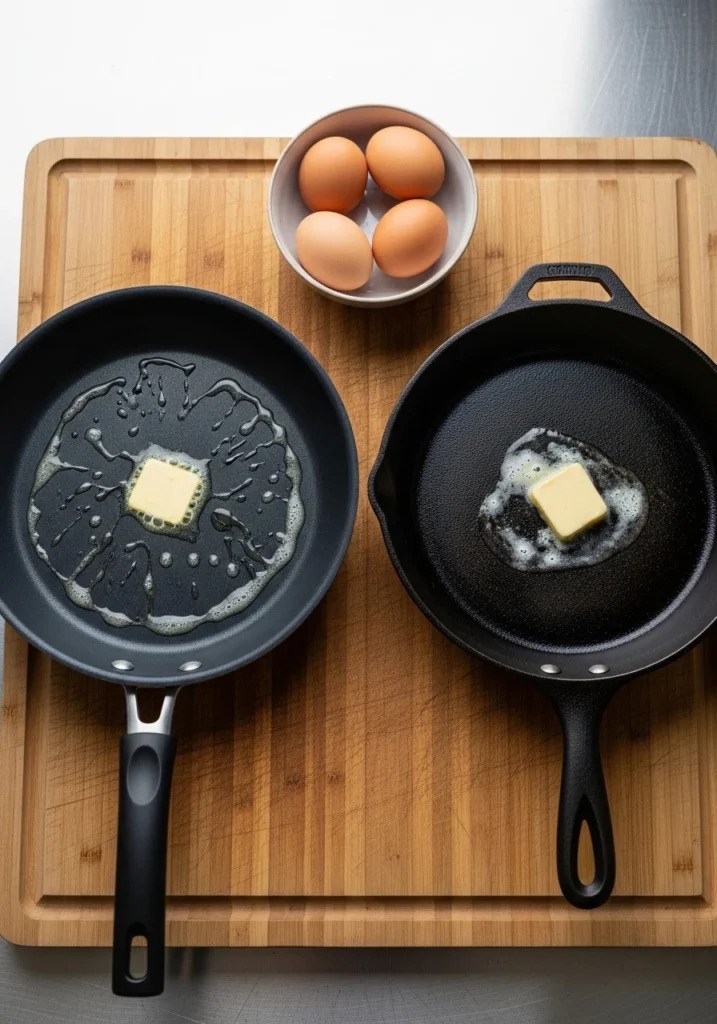
A nonstick pan is your best friend here. It lets you move the eggs around gently without anything sticking to the bottom, and you can use less butter without worrying about the eggs tearing apart when you fold them.
A well-seasoned cast iron pan also works beautifully, but it retains heat aggressively, so you need to be even more careful about pulling it off the stove in time.
Browse Nonstick Pans On Amazon
Other Ingredients That Work With Crème Fraîche
Once you have the crème fraîche foundation locked in, you can start layering in other flavors to make your scrambled eggs even more interesting. Here are some combinations that genuinely work:
- Fresh chives and crème fraîche bring a classic French bistro feel that is simple and absolutely delicious.
- Smoked salmon, dill, and crème fraîche take scrambled eggs from breakfast to brunch in about thirty seconds flat.
- Truffle salt instead of regular salt with a good crème fraîche adds an earthy, luxurious depth.
- A small amount of grated Parmesan stirred in at the end creates an extra layer of savory richness.
- Roasted cherry tomatoes on the side balance the creaminess with a bit of acidity.
None of these additions require fancy technique. You just cook the eggs with crème fraîche the way we already described and then finish with whatever flavor combination appeals to you.
Common Mistakes to Avoid
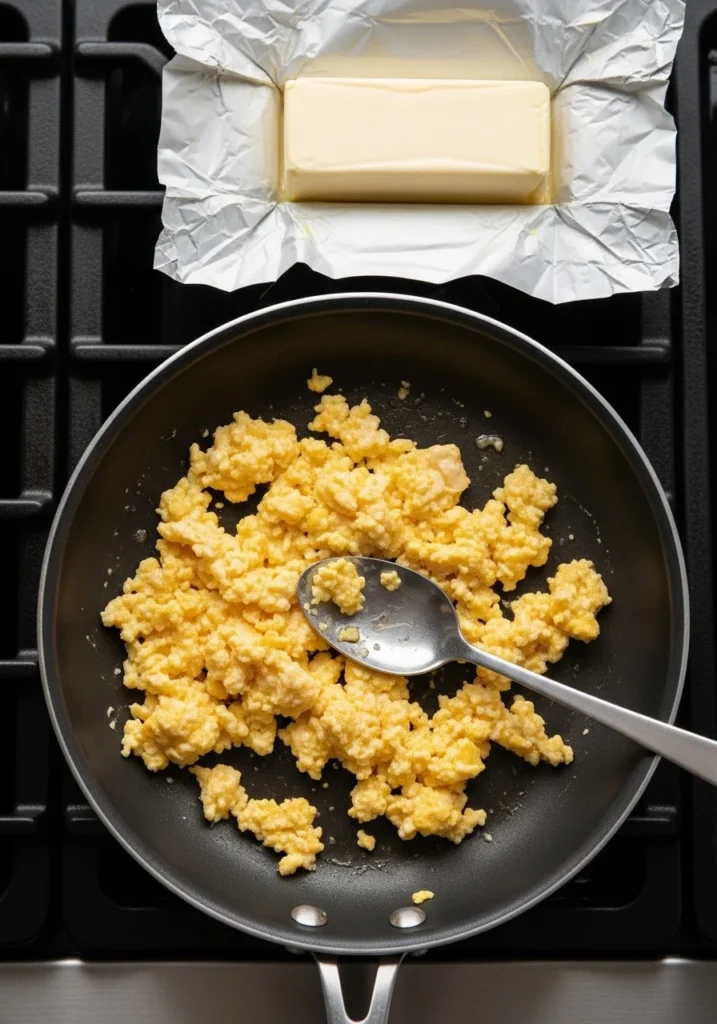
Even with crème fraîche in your corner, a few mistakes can still trip you up. Knowing what to watch out for keeps your scrambled eggs in perfect territory every single time.
Whisking Too Early and Then Waiting
Whisk your eggs right before you cook them. If you whisk them and then let them sit for fifteen minutes while you do other things, the salt you added starts to break down the proteins early.
Your eggs will still be edible, but they will not be as fluffy as they could be.
Using Cold Butter
Room temperature butter melts more evenly in the pan and coats the surface without creating hot spots.
Cold butter straight from the fridge can cause uneven heating, which means some parts of your eggs cook faster than others.
Stirring Too Aggressively
Scrambled eggs need gentle handling. If you hack at them with a spoon like you are trying to scramble the pan itself, you break up the curds into tiny pieces and lose that soft, pillowy texture.
Let the eggs move slowly and fold, not stir.
Seasoning at the Wrong Time
Salt your eggs before you cook them, not after. Pre-seasoning gives the salt time to integrate with the eggs while you whisk, and it draws out just enough moisture to help the crème fraîche do its job.
Salting at the table after the fact always tastes like an afterthought.
What Makes Crème Fraîche Different From Sour Cream
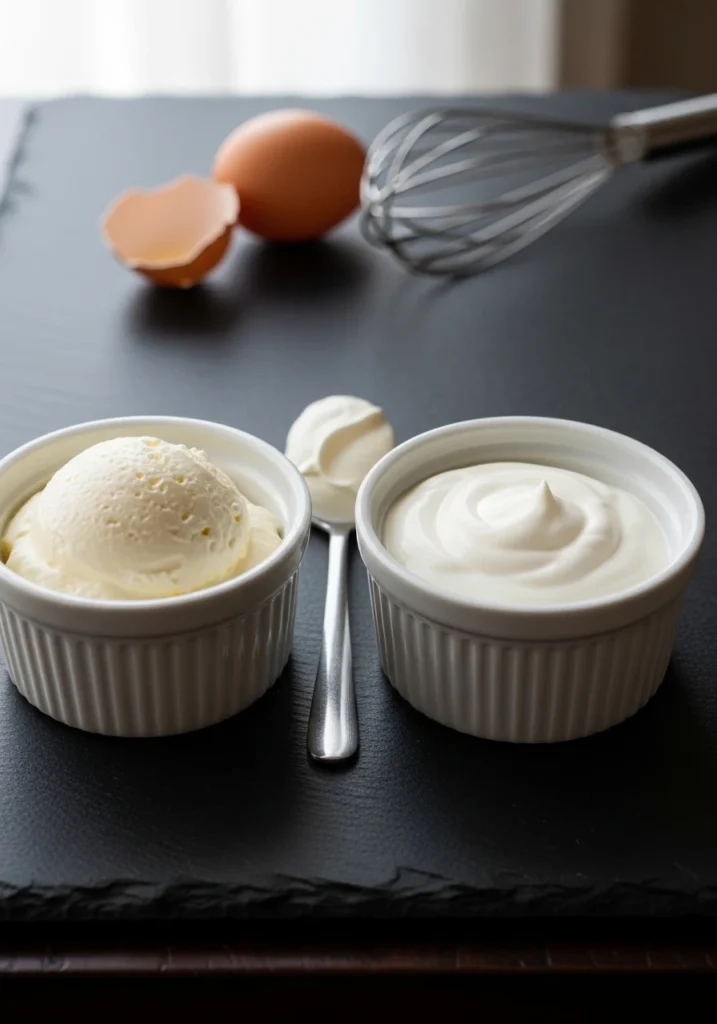
You might be wondering whether you can swap sour cream in place of crème fraîche. The short answer is yes, but with caveats.
Sour cream has a higher water content and a sharper tang, which can make your eggs taste slightly more acidic than you probably want for breakfast.
It also tends to separate a little more during cooking, which can affect the smoothness of the final result.
Crème fraîche has a higher fat content and a more subtle tang, which makes it more stable under heat and gentler on the overall flavor profile.
If you are in a pinch and only have sour cream, use half the amount you would use for crème fraîche and lower your heat even further to minimize separation.
The Result You Have Been Chasing
Here is what you get when you bring crème fraîche, low heat, and the right technique together. Your scrambled eggs will be glossy and soft, with large, custardy curds that hold their shape without being stiff.
The flavor will be rich and buttery with the faintest hint of tang that makes every bite interesting. They will not be dry, they will not be watery, and they will absolutely not taste like rubber.
Make These Once and You Will Never Go Back
Scrambled eggs sound like one of the simplest things you can cook, and they are, once you know what you are doing.
The crème fraîche is not a fancy trick or a restaurant-only secret. It is just a better ingredient for a better result, and it costs almost nothing to try.
Add it to your next batch of scrambled eggs and pay attention to the difference. You will notice it immediately.
That first bite of properly made, crème fraîche scrambled eggs has a way of making every previous version taste like a rough draft. You have been warned.
What Is the Secret Ingredient for Perfectly Fluffy Scrambled Eggs?
The secret ingredient is crème fraîche. Unlike milk, it doesn’t add extra water and keeps eggs from getting rubbery. Its high fat content melts smoothly into the eggs as they cook.
This adds a subtle tang and keeps the texture silky. It also protects the egg proteins from tightening too quickly. Just one tablespoon per two eggs makes a big difference in texture and flavor.
Can I Use Sour Cream Instead of Crème Fraîche in Scrambled Eggs?
Yes, you can use sour cream instead, but there are trade-offs. Sour cream has more water and a sharper tang than crème fraîche. This can make your eggs taste a bit more acidic.
It also separates more easily when heated. If you only have sour cream, use half the amount of crème fraîche and keep the heat low to reduce separation.
What Temperature Should You Cook Scrambled Eggs At for Best Results?
Always cook scrambled eggs on low to medium-low heat. High heat makes the proteins seize up, leading to a tough, rubbery texture.
Low heat allows the proteins to set gently, creating large, soft, custardy curds. Use low heat with crème fraîche and a silicone spatula for perfectly fluffy scrambled eggs.
When Should You Season Scrambled Eggs With Salt?
Season your eggs before cooking, not after. Add salt while whisking the egg mixture, before it hits the pan.
Pre-seasoning helps the salt blend with the eggs and pulls out moisture to mix well with the crème fraîche. Salting after cooking tastes flat and surface-level because the seasoning doesn’t penetrate the cooked egg.
Why Do My Scrambled Eggs Always Turn Out Watery or Rubbery?
Watery eggs often result from adding too much milk or cooking at high heat. This creates steam and extra moisture. Rubbery eggs usually come from the same heat issue.
To fix this, replace milk with crème fraîche for richness without added water. Lower the heat to low or medium-low.
Also, take the pan off the heat when the eggs look a bit underdone. The leftover heat will finish cooking them perfectly.